
Matching the Right Wheelchair to the Right User
1. The Short-Term User or Supervised Senior
2. The Fully Independent User with Upper-Body Strength
3. The High-Fatigue or Multi-Symptom User
4. The Quadriplegic or Severe Neuro-Cognitive User
5. The Dynamic Weekend Warrior or Adaptive Athlete
A wheelchair is far more than a mechanical mobility aid; it is a highly customized interface between a human being and the world. For someone experiencing limited mobility, the wheelchair becomes an extension of their musculoskeletal system. Choosing the wrong wheelchair can lead to chronic nerve pain, severe muscle strain, pressure sores, and a profound loss of independence. Conversely, the right wheelchair seamlessly complements the user’s residual physical strengths, anatomical structure, and lifestyle goals.
To determine which wheelchair fits whom, we must look beyond aesthetics and budget. We must categorize users based on their physical capabilities, duration of use, clinical needs, and lifestyle demands.
1. The Short-Term User or Supervised Senior
-
User Profile: Individuals recovering from temporary orthopedic surgeries (such as a broken femur, hip replacement, or ligament tears), or frail seniors who retain the ability to walk short distances indoors but lack the cardiovascular stamina for long outings like mall trips, family gatherings, or medical appointments.
-
The Ideal Match: Transport Wheelchairs or Standard Manual Wheelchairs
-
Why It Fits: Transport wheelchairs feature four small wheels and cannot be self-propelled by the occupant; they require a caregiver to push from behind. Because they lack giant rear drive wheels, they are incredibly lightweight, highly foldable, and can easily slide into a compact car trunk. This makes them the perfect tool for occasional, escorted trips outside the home.
However, if the user wishes to retain the autonomy to occasionally propel themselves around their living room without relying on a spouse or nurse, a Standard Manual Wheelchair with large, steel-rimmed rear wheels is the appropriate alternative. These wheelchairs are heavy (often weighing 35 to 45 pounds) and built like tanks. While not meant for active, long-distance self-propulsion due to the high strain they place on the shoulders, they provide a cost-effective, highly durable, and easily accessible solution for short-term convalescence or indoor aging.
2. The Fully Independent User with Upper-Body Strength
-
User Profile: Individuals with lower-limb paralysis (paraplegia) resulting from spinal cord injuries, amputees, or individuals with localized neurological conditions that spare the upper body. These users possess excellent trunk control, robust shoulder and arm strength, and an active, fiercely independent lifestyle.
-
The Ideal Match: Active / Ultra-Lightweight Rigid Wheelchairs
-
Why It Fits: Standard folding wheelchairs are highly inefficient for daily self-propulsion because the cross-brace mechanism under the seat flexes with every push, absorbing and wasting the user's energy. Active users require an Ultra-Lightweight Rigid Wheelchair. Constructed from premium aerospace materials like titanium, carbon fiber, or aircraft-grade aluminum, these wheelchairs weigh as little as 15 to 20 pounds.
The rigid frame does not fold in half; instead, the backrest folds flat against the seat, and the large wheels snap off instantly via quick-release push-button axles. Every single ounce of muscular force the user exerts into the handrims translates directly into forward momentum. Furthermore, these chairs are custom-tailored to the user’s specific body measurements. They feature a built-in "ergonomic dump"—a slight rearward slope of the seat bucket—which locks the pelvis into place, stabilizes the core, and optimizes pushing mechanics. This elite agility allows independent users to navigate dense urban crowds, pop over multi-inch curbs effortlessly, and even load their own chairs into adapted cars without assistance.
3. The High-Fatigue or Multi-Symptom User
-
User Profile: Individuals living with progressive, variable neuromuscular conditions such as Multiple Sclerosis (MS), Parkinson’s disease, advanced Amyotrophic Lateral Sclerosis (ALS), or stroke survivors dealing with hemiplegia (paralysis concentrated on one side of the body).
-
The Ideal Match: Ergonomic Electric Wheelchairs (Power Chairs) with Specialized Controls
-
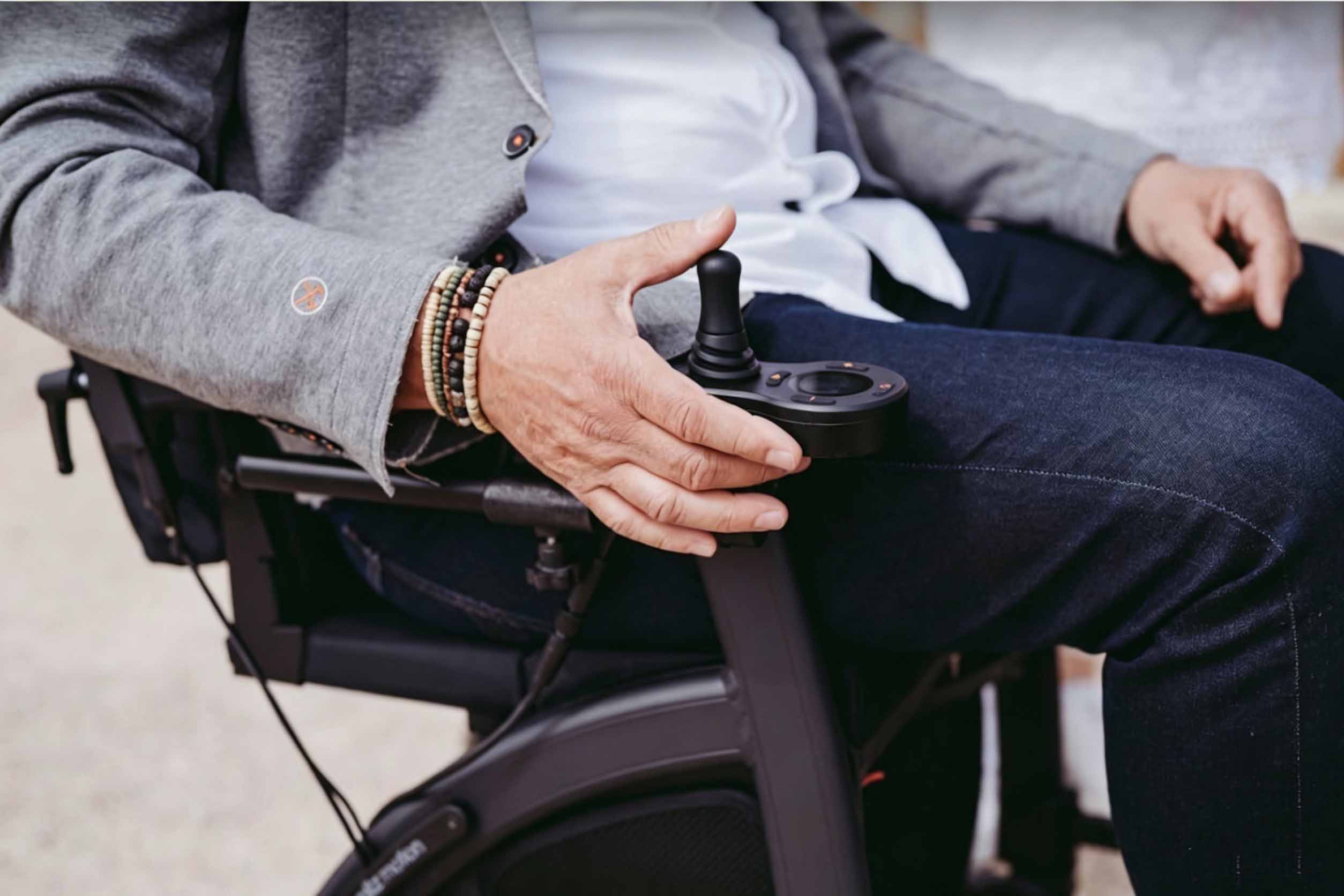
Why It Fits: For users whose neurological energy fluctuates wildly throughout the day or whose grip strength is compromised, a manual chair is a recipe for physical exhaustion and repetitive strain injuries. A standard power chair driven by a highly sensitive, 360-degree joystick requires minimal physical effort, allowing users to conserve their precious energy for cognitive and social tasks. For stroke survivors with one-sided paralysis, the joystick control system can be completely mapped to their functional side.
Crucially, modern power wheelchairs designed for this demographic offer complex clinical seating options, such as Power Tilt-in-Space and electronic recline features. Users who lack the core strength to shift their own weight face a severe risk of developing life-threatening pressure ulcers (bedsores). By electronically tilting the entire seat bucket backward without changing the angle of the hips, the power chair redistributes the user's body weight away from the vulnerable ischial tuberosities (sit bones) and across the broader surface area of the back, dramatically increasing blood flow and skin health.
4. The Quadriplegic or Severe Neuro-Cognitive User
-
User Profile: Individuals with high-level cervical spinal cord injuries (quadriplegia/tetraplegia), advanced cerebral palsy, or severe traumatic brain injuries (TBI). These users often have minimal to no voluntary muscle movement below the neck, impaired trunk stability, and may require integrated respiratory equipment.
-
The Ideal Match: Custom Power Chairs with Alternative Drive Controls and Complex Rehab Technology (CRT)
-
Why It Fits: When hand-operated joystick control is completely impossible, cutting-edge technology bridges the gap to provide autonomy. These advanced power chairs can be operated via Sip-and-Puff systems (where the user breathes into a digital tube to steer and accelerate), chin joysticks, or head arrays (proximity sensors embedded into the headrest triggered by subtle movements of the head).
The seating systems on these wheelchairs are entirely molded to the user’s specific spinal anatomy to counteract scoliosis, prevent structural deformities, and maintain an open, unobstructed airway. Because these users cannot physically adjust their bodies if the chair strikes a jarring bump, these power chairs are equipped with heavy-duty independent suspension systems and electronic tracking gyro-sensors. This ensures the vehicle tracks perfectly straight on uneven sidewalks or sloped driveways, ensuring maximum physical safety, stability, and dignity.
5. The Dynamic Weekend Warrior or Adaptive Athlete
-
User Profile: Full-time wheelchair users who refuse to let their physical limitations dictate their passion for competitive sports, physical fitness, and outdoor exploration.
-
The Ideal Match: Sports-Specific or All-Terrain Wheelchairs
-
Why It Fits: Standard daily-use wheelchairs are highly vulnerable to damage from high-impact sports collisions, sand, mud, or water. For an active lifestyle, a secondary, highly specialized chair is required. Court sports chairs (specifically engineered for wheelchair basketball, rugby, or tennis) feature an extreme wheel "camber"—meaning the rear wheels are highly slanted outward at the bottom. This wide, triangular stance makes the wheelchair virtually impossible to tip over sideways and allows for blistering, razor-sharp turns on the court.
For outdoor enthusiasts, all-terrain handcycles or tracked off-road wheelchairs (which resemble miniature personal tanks) allow users to effortlessly conquer rugged mountain trails, sandy beaches, muddy forests, and snowfields. These vehicles utilize specialized low-pressure knobby tires or heavy-duty rubber tracks combined with geared drivetrains, proving that a change in mobility architecture can completely shatter environmental barriers.
Wheelchair Matching Matrix
| User Profile | Primary Need | Best Wheelchair Type | Key Feature |
| Temporary/Frail Senior | Caregiver assistance & Portability | Transport / Standard Manual | Ultra-lightweight, highly foldable, cost-effective |
| Active Paraplegic | Self-propulsion & Agility | Ultra-Lightweight Rigid | Custom-fitted titanium/carbon frame, quick-release wheels |
| Progressive Fatigue (MS/Stroke) | Energy conservation & Balance | Standard Power Chair | Joystick control, ergonomic seating, side-specific mapping |
| Quadriplegic / Severe CP | Total physical substitution | Complex Rehab Power Chair | Sip-and-puff/Head array, Power Tilt-in-Space |
| Adaptive Athlete | Speed, stability, or ruggedness | Sports / All-Terrain Wheelchair | High wheel camber (angled wheels) or rugged tracked wheels |
Conclusion: The Path to Liberation
There is no such thing as a universally "perfect" wheelchair; there is only the right chair for the right person. A wheelchair should never be bought blindly off a retail shelf without a deep understanding of the user's clinical reality. When embarking on the selection process, a comprehensive evaluation by a physical therapist (PT), occupational therapist (OT), or an assistive technology professional (ATP) is vital.


