How to Choose the Right Insulating Glass Production Line for Your Factory
Choosing the right insulating glass production line is one of the most important investment decisions for a glass processing factory.
A suitable IGU production line can improve production efficiency, reduce labor costs, ensure stable product quality, and help manufacturers meet the increasing demand for energy-efficient architectural glass.
However, with different configurations, automation levels, production capacities, and technologies available on the market, many glass processors face the same question:
How do you choose the right insulating glass production line for your factory?
The answer depends not only on machine price, but also on your production requirements, future development plans, glass types, and automation goals.
1. Understand Your Production Requirements First
Before selecting an IGU production line, manufacturers should clearly define their current and future production needs.
Important questions include:
What type of glass do you produce?
Consider whether your factory mainly processes:
- Residential insulating glass
- Commercial architectural glass
- Curtain wall glass
- Low-E energy-saving glass
- Triple glazing units
- Large-size jumbo glass
Different applications require different machine configurations.
For example, factories producing high-performance architectural glass may need advanced solutions with automatic gas filling, Low-E detection, and higher precision control.
What is your required production capacity?
Production capacity is one of the key factors when choosing an insulating glass machine.
Small and medium-sized glass factories may focus on flexible production with moderate output, while large manufacturers usually require high-speed automatic production lines to support continuous operation.
The right capacity should match:
- Daily output requirements
- Customer order volume
- Available factory space
- Future expansion plans
Choosing an oversized system may increase unnecessary investment, while choosing an undersized line may limit future growth.
2. Choose the Right Level of Automation
Insulating glass production lines can generally be divided into different automation levels.
Semi-Automatic IG Production Line
Suitable for:
- Small glass processors
- New factories
- Lower production volumes
Advantages:
- Lower initial investment
- Simple operation
- Flexible production
However, more manual operation is required, which may affect efficiency for large orders.
Fully Automatic Insulating Glass Production Line
A fully automatic IGU line integrates multiple processes, including:
- Glass washing and drying
- Glass inspection
- Spacer positioning
- Glass assembly
- Pressing
- Gas filling
- Sealing
Advantages include:
✔ Higher production efficiency
✔ More stable quality
✔ Reduced labor dependency
✔ Better production consistency
For factories aiming for long-term growth, automatic IG production lines are becoming an increasingly popular choice.
3. Consider Glass Size and Thickness Range
Different factories have different product requirements.
Before purchasing an insulating glass production line, confirm:
- Maximum glass size
- Minimum glass size
- Glass thickness range
- IGU thickness range
- Double, triple, or multi-layer glass capability
For example, architectural projects often require larger glass panels, while residential markets may focus more on standard sizes.
A flexible production line should be able to handle various glass specifications without frequent manual adjustments.
4. Pay Attention to Intelligent Features
Modern glass factories are moving toward smart manufacturing.
Advanced insulating glass production lines may include:
Automatic Glass Recognition
The system can identify glass information and automatically adjust production parameters.
ERP and Barcode Integration
Digital production management allows manufacturers to:
- Track every glass unit
- Reduce manual input errors
- Improve production scheduling
- Monitor production progress
Automatic Gas Filling
Online argon filling helps improve IGU performance and production efficiency.
Low-E Glass Detection
Automatic detection systems help prevent processing errors and improve product quality.
Intelligent functions are becoming important factors when manufacturers evaluate modern glass machinery.
5. Evaluate Equipment Stability and Service Support
A production line is a long-term investment.
Besides technical specifications, manufacturers should consider:
Machine Reliability
Important factors include:
- Quality of components
- Manufacturing experience
- Production testing
- Long-term operating stability
Technical Support
A reliable supplier should provide:
- Installation assistance
- Operator training
- Spare parts support
- Remote technical service
The lowest purchase price does not always mean the lowest total cost. Stable operation and professional support often create greater long-term value.
6. Choose a Supplier That Provides Complete Solutions
A professional glass machinery supplier should understand not only individual machines but also the entire production process.
A complete IGU solution may include:
- Factory layout planning
- Glass cutting equipment
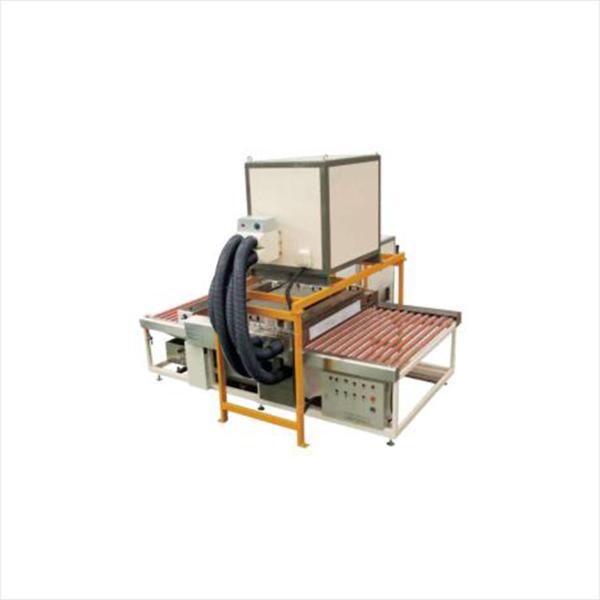
- Glass washing system
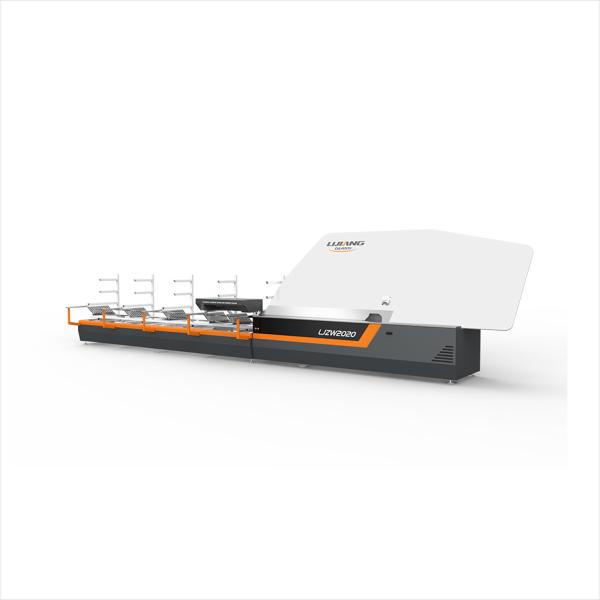
- Spacer bending machine
- Insulating glass production line
- Sealing equipment
- Quality inspection system
Integrated solutions help avoid compatibility issues and improve overall production efficiency.
Why Choose EASTGLASS Insulating Glass Production Solutions?
EASTGLASS provides intelligent glass processing solutions for global glass manufacturers.
Our insulating glass production lines are designed to meet different factory requirements, including:
- Automatic IGU production lines
- Double and triple glazing production solutions
- Large-size glass processing capability
- ERP and barcode integration
- Automatic argon gas filling
- Intelligent production tracking
- High-precision pressing technology
By combining automation, reliability, and flexible configurations, EASTGLASS helps glass processors build efficient and future-ready production systems.
Conclusion
Choosing the right insulating glass production line requires more than comparing machine prices.
The best solution should match your:
- Production capacity
- Glass specifications
- Market requirements
- Automation goals
- Future expansion plans
As the demand for energy-efficient and high-performance glass continues to grow, investing in the right IGU production line can help manufacturers improve efficiency, strengthen competitiveness, and achieve sustainable growth.