Future Glass Architecture: How Advanced Interlayer Technology Is Transforming Sustainable Glass Structures
Future Glass Architecture: How Advanced Interlayer Technology Is Transforming Sustainable Glass Structures
Introduction: The Next Generation of Glass Architecture Is Arriving
Glass has always represented transparency, openness, and modern architectural design. From skyscraper curtain walls to artistic glass structures, architects continue to push the limits of glass applications.
However, as buildings become more complex, traditional glass assembly methods face new challenges:
- Higher structural requirements
- More demanding safety standards
- Greater sustainability expectations
- Need for recyclable and reversible construction methods
The future of glass architecture is moving beyond traditional glazing systems toward lighter, smarter, and more sustainable glass structures.
Recent research into advanced glass interlayer technology demonstrates how innovative materials can redefine the possibilities of structural glass applications.
What Is Glass Masonry and Why Does It Matter?
Glass masonry refers to structural systems built using individual glass blocks or cast glass elements assembled together.
Unlike conventional glass panels, glass masonry allows architects to create:
- Three-dimensional glass structures
- Free-form architectural designs
- Transparent load-bearing elements
- Unique artistic facades
However, one major challenge remains:
How can individual glass elements be connected safely while reducing stress concentration?
Traditional solutions often rely on adhesives, but adhesive-based systems can create challenges:
- Limited reversibility
- Difficult maintenance
- Environmental concerns
- Complex installation requirements
This has encouraged researchers to explore alternative dry-assembled interlayer technologies.
Metal Kirigami: A New Approach to Glass Interlayer Design
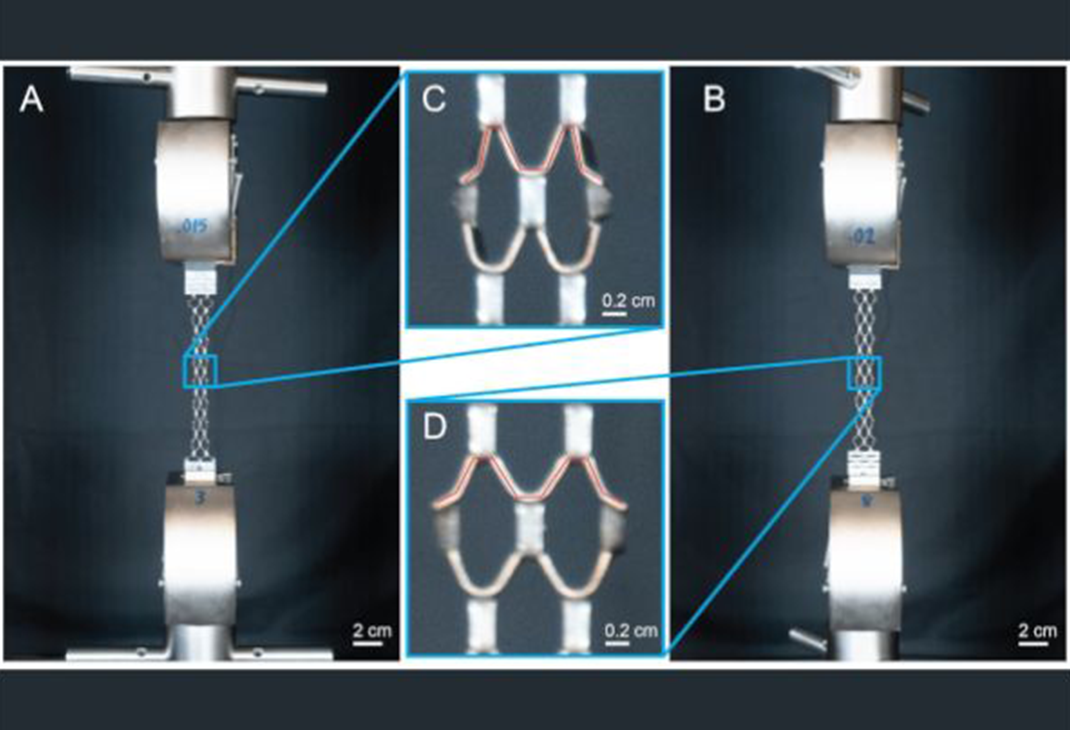
Inspired by Japanese Kirigami techniques, researchers have developed a metal tension-activated structure that transforms a flat metal sheet into a three-dimensional supporting element.
Unlike traditional bonding materials, this innovative interlayer works through:
- Precision-cut geometric patterns
- Controlled deformation
- Mechanical energy absorption
- Optimized stress distribution
The structure can be customized according to different performance requirements, providing flexibility while maintaining strength.
Research indicates that steel Kirigami structures can achieve adjustable stiffness and strength, allowing them to protect glass components by deforming before glass failure occurs.
Sustainability: Reducing Weight and Carbon Footprint
Sustainability has become one of the most important trends in modern construction.
Advanced glass interlayer solutions aim to reduce:
Material Consumption
Lightweight metal structures require less raw material while maintaining mechanical performance.
Environmental Impact
Compared with some traditional adhesive and dry interlayer solutions, metal Kirigami systems demonstrate potential advantages in reducing embodied carbon.
Construction Waste
Reusable and reversible glass systems may allow easier disassembly, repair, and recycling.
This direction matches the global movement toward circular construction and sustainable architecture.
The Role of Precision Glass Processing Technology
Innovative glass structures require not only advanced materials but also high-precision manufacturing technology.
Future glass production will increasingly depend on:
1. High Precision Glass Cutting
Complex architectural glass designs require:
- Accurate dimensions
- Smooth edges
- Minimal stress concentration
Advanced CNC glass cutting systems help manufacturers achieve higher processing accuracy.
2. Intelligent Glass Inspection
As glass applications become more demanding, automated inspection systems using AI vision technology will become essential for detecting:
- Micro defects
- Edge damage
- Surface quality issues
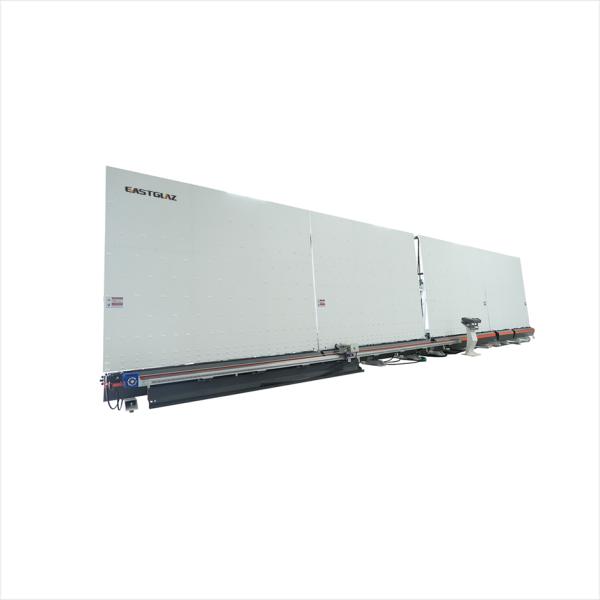
3. Automated Insulating Glass Production
Modern buildings require energy-efficient glazing solutions.
Automatic IGU production lines improve:
- Production efficiency
- Sealing quality
- Product consistency
EASTGLAZ: Supporting the Future of Smart Glass Manufacturing
As glass architecture evolves toward higher performance and sustainability, glass manufacturers need equipment that can support increasingly complex requirements.
EASTGLAZ provides intelligent glass processing solutions including:
- Automatic insulating glass production lines
- CNC glass cutting machines
- Glass edge processing equipment
- Intelligent glass inspection systems
- Complete glass factory automation solutions
With advanced automation technologies, EASTGLAZ helps glass processors improve efficiency, quality, and competitiveness in the global market.
Conclusion: Glass Is Becoming Smarter, Lighter, and More Sustainable
The future of glass architecture will not only depend on stronger glass but also on smarter connection systems, advanced materials, and intelligent manufacturing.
From innovative interlayers such as metal Kirigami structures to automated glass processing technology, the industry is entering a new era of sustainable glass solutions.
For glass manufacturers, investing in precision automation today means preparing for the architectural possibilities of tomorrow.
Related Products
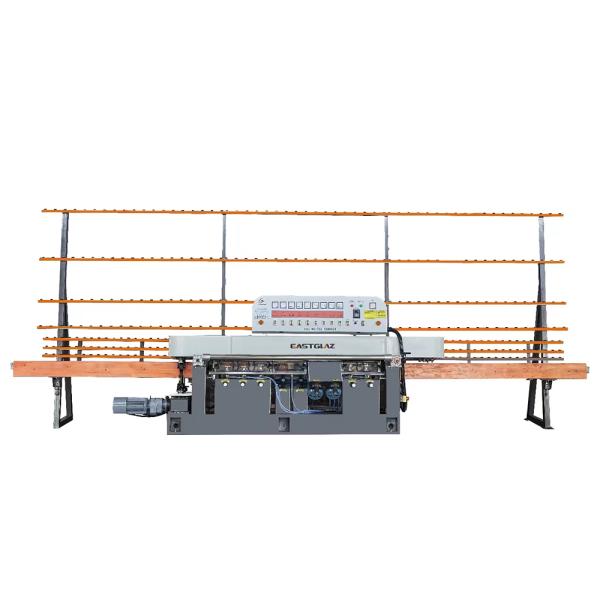
Glass Straight Line Edging Machine (9 Motor)
LJGSL-9243