
Safety First: A Good Wheelchair Starts with Choosing Right and Using Right
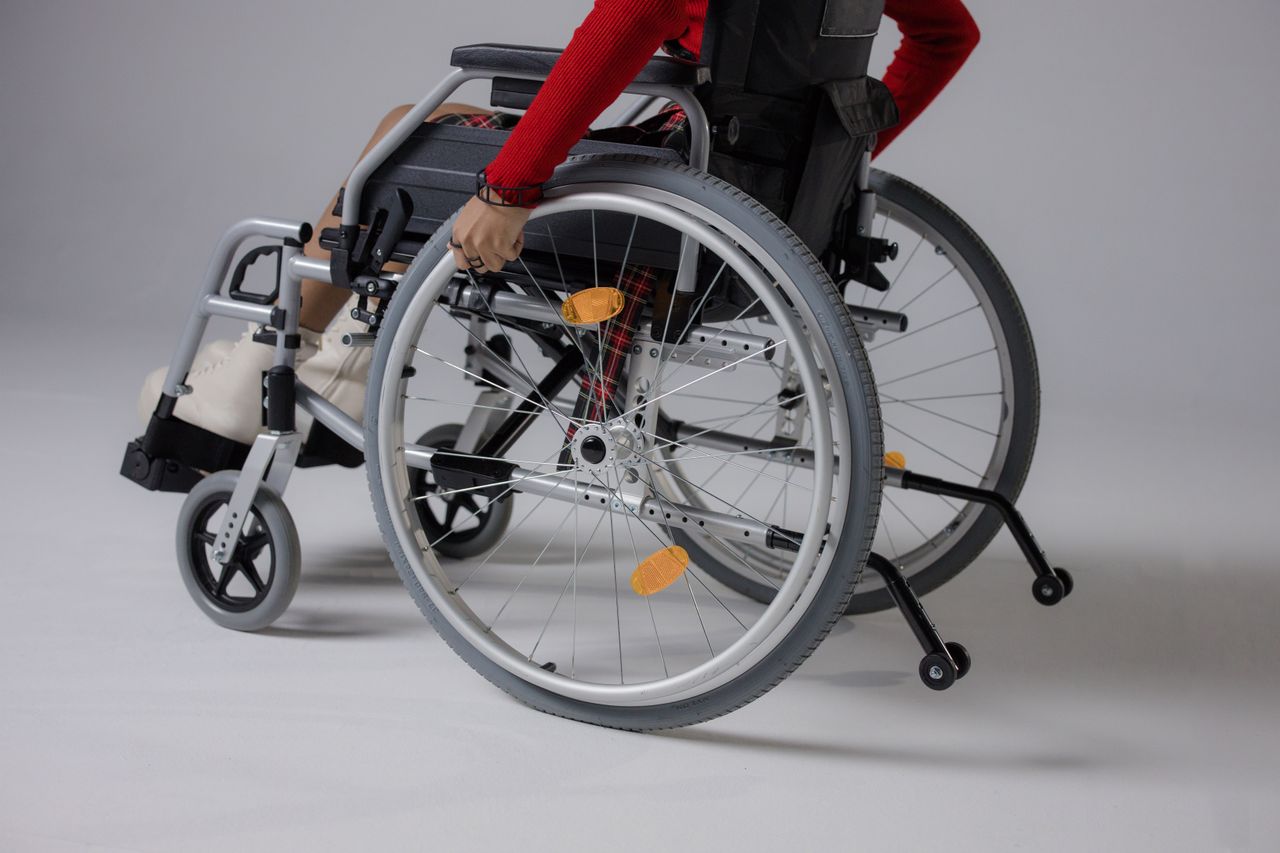
Choosing Right: Safety Starts with the Right Configuration
Sitting Right: A Correct Posture Saves a Lot of Trouble
Using Right: Safe Operation in Different Scenarios
Maintaining Right: Daily Inspections Prevent Problems
A wheelchair carries not only distance but also the safety of the user and the peace of mind of the family. However, in reality, many families only focus on "which one to buy" while overlooking the equally important questions of "how to choose the right one" and "how to use it properly." As a result, money is spent, but hidden risks remain. Wheelchair safety begins with informed selection and is sustained by careful daily use.
Choosing Right: Safety Starts with the Right Configuration
"Safety" is not a gimmick reserved for high‑end models; it is the baseline for any qualified wheelchair. The following core configurations directly determine safety and should never be compromised.
-
Electromagnetic Brake – The Gatekeeper of Safety
For electric wheelchairs, this is the most critical safety feature. It ensures instant stop when you release the joystick and automatic braking even when power is cut off. Even if the battery is completely dead, the wheelchair stays firmly in place, effectively preventing dangerous roll‑back on slopes. In contrast, electronic brakes that rely on electricity may fail when the battery dies or a circuit fault occurs. When choosing an electric wheelchair, prioritize electromagnetic brakes. -
Width and Anti‑Tip Design – Keys to Stability
Seat width directly affects comfort and stability; too wide or too narrow can cause the user to feel unsteady. A simple rule of thumb: when the user sits upright, a hand should just pass comfortably between the thigh and the side frame. Additionally, anti‑tip wheels are an important auxiliary safety feature that helps prevent the wheelchair from tipping backward when going uphill. -
Beware of "Fake Carbon Fiber" and Battery Pitfalls
Carbon fiber wheelchairs are lightweight, but be wary of "fake carbon fiber" products—those that only apply carbon‑fiber‑pattern stickers to non‑load‑bearing parts while the actual frame remains aluminum, offering no real weight reduction. When it comes to batteries, only models equipped with compliant lithium batteries are suitable for air travel.
Sitting Right: A Correct Posture Saves a Lot of Trouble
Once the wheelchair is home, the first step is to learn how to sit properly. Many discomforts and risks stem from poor sitting posture.
-
Basic Sitting Posture
Sit back as far as possible, with the back fully against the backrest and the spine upright. Place both feet flat on the footrests, not dangling or dragging. Keep knees naturally apart. Rest hands lightly on the armrests with shoulders relaxed. -
Benefits of Good Posture
When sitting correctly, the user feels less fatigued and pressure sores and spinal curvature are better prevented. Conversely, poor posture can lead to back pain and even increase the risk of slipping off the wheelchair. -
Pressure Relief
Prolonged sitting increases the risk of pressure sores. It is recommended to push up with the arms on the armrests or use the wheelchair's tilt‑in‑space function to lift the body for a few seconds every 30 to 60 minutes, allowing the buttocks to rest.
Using Right: Safe Operation in Different Scenarios
-
Getting On and Off the Wheelchair
This is the starting point of all operations and a frequent accident zone. The golden rule: always engage the brakes and fold away the footrests before transferring. Before sitting down, apply the brakes firmly, lift the footrests, then slowly sit down while holding the armrests. When getting off, apply the brakes, raise the footrests, and only move after confirming you are steady. Never get on or off without engaging the brakes or without folding the footrests – this easily leads to tripping or falling. -
Going Up and Down Slopes
This tests both skill and confidence. Going uphill, the caregiver should stand behind the wheelchair, lean forward, and push steadily; the user should also lean slightly forward to maintain balance. Going downhill, the safest method is to descend backwards: turn the wheelchair around, face uphill, and the caregiver, facing downhill, holds the brakes and slowly, steadily moves backward. This way, even if control is lost, the user would fall backward, greatly reducing the risk of injury. -
Navigating Obstacles
When encountering a threshold or small bump, do not ram it head‑on. First lift the front wheels to gently clear the obstacle, then pass the rear wheels smoothly. For electric wheelchairs, be aware of their obstacle‑climbing limits to avoid damaging the equipment or causing danger.
Maintaining Right: Daily Inspections Prevent Problems
Wheelchairs, like cars, require regular inspection and maintenance. A quick pre‑use check is recommended every time before use, focusing on the following:
-
Brakes: Are they responsive? Can they lock the wheels securely?
-
Tires: Is the tire pressure adequate (for pneumatic tires)? Are the treads intact?
-
Screws and Connections: Are any screws loose? Is the folding mechanism sturdy?
-
Footrests and Seat Belt: Can the footrests be easily folded away? Is the seat belt in good condition?
Choosing a safe wheelchair, learning proper usage techniques, and developing good inspection habits will transform the wheelchair into a safe, comfortable travel companion for the elderly – not a potential source of risk. Safety is no small matter; protect every detail from the start.
Related Products

Sports Wheelchairs
GM10001
mobility wheelchair
GM20016
Electrical Wheelchair
GM20017