
Impact resistance of electronic class boards screen 10G peak acceleration 11ms interval
electronic class board-14
Price: 300


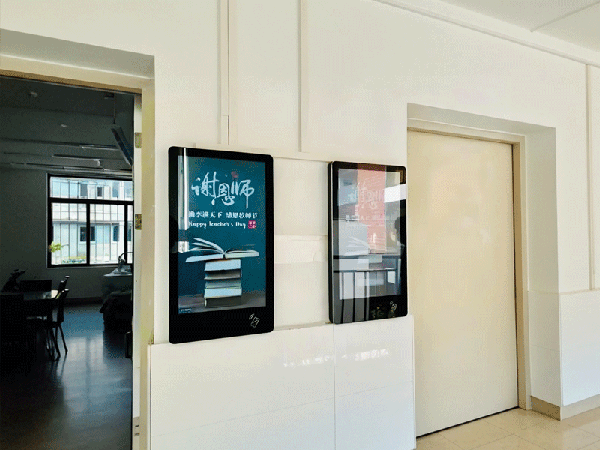

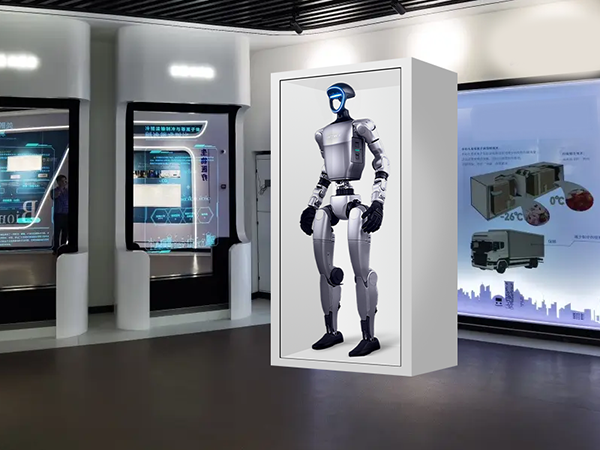


electronic class boards
electronic class boards
electronic class boards
electronic class boards

This technical specification of electronic class boards screen is far more than a mere statistic—it reflects a design philosophy tailored to the unique demands of busy school settings, where durability directly translates to reliability and long-term value.
Technical Foundations of 10G Impact Resistance
To contextualize, 10G peak acceleration refers to the ability of the electronic class boards device to endure a force 10 times that of Earth’s gravity within an 11-millisecond window—equivalent to sudden jolts from accidental bumps, drops of lightweight objects (such as textbooks or stationery), or vibrations from nearby movements. This resilience stems from meticulous engineering:
Structural Reinforcements: The internal framework of electronic class boards uses high-strength alloys and shock-absorbent materials, such as reinforced plastic composites, to dissipate impact energy. Critical components like the display panel and touch sensors are encased in buffered layers that absorb and redistribute force, preventing direct damage during sudden shocks.
Rigorous Testing Protocols: Manufacturers subject these devices to simulated impact tests that replicate real-world scenarios—from being nudged by students moving furniture to accidental knocks during cleaning. By enduring 10G forces over repeated 11ms intervals, the electronic class boards prove their ability to resist functional degradation or physical damage under typical classroom stressors.

Advantages in Educational Environments
Uninterrupted Daily Operations
In schools, where electronic class boards equipment is used intensively by students and staff, unexpected impacts are inevitable. A class board rated for 10G impact resistance minimizes downtime caused by physical damage. Unlike fragile consumer electronics, which might crack, glitch, or fail entirely after a single moderate jolt, these boards maintain consistent performance. Teachers can rely on electronic class boards to display lesson plans, run interactive activities, or stream educational content without interruptions, ensuring classroom flow remains unbroken. This reliability is especially vital in busy schedules, where even brief technical delays can disrupt lesson pacing.
Long-Term Cost Efficiency
Educational institutions operate on tight budgets, and premature equipment replacement due to damage strains resources. The 10G impact resistance extends the lifespan of electronic class boards significantly. By withstanding daily bumps and shocks, they reduce the need for frequent repairs or replacements—costs that accumulate quickly across a school’s fleet of devices.
Over time, this durability lowers the total cost of ownership, freeing up funds for other educational priorities, such as electronic class boards software upgrades, teaching materials, or staff training.
Safety and Adaptability
Beyond functionality, this feature enhances safety. A electronic class boards device that resists impact is less likely to shatter or shed debris when struck, reducing risks of injury to students or staff. Additionally, its robustness makes it adaptable to diverse classroom environments—from bustling elementary schools, where younger students may be less cautious, to high-traffic secondary school hallways or multi-purpose auditoriums.
Whether mounted on walls, integrated into collaborative workstations, or used in dynamic group activities, the board’s ability to handle sudden forces ensures it remains a safe, reliable tool.

Confidence in Investment
For schools investing in electronic class boards digital infrastructure, the 10G impact rating serves as a guarantee of quality. It assures administrators and educators that the technology is built to endure the rigors of daily use, aligning with the long-term goals of sustainable educational tech integration.
This confidence encourages fuller utilization of the board’s capabilities—from interactive quizzes and collaborative whiteboarding to video conferencing—without hesitation about potential damage.
In summary, the 10G peak acceleration resistance (over 11ms intervals) positions electronic class boards as rugged, reliable assets in education. By combining structural strength with practical durability, they support uninterrupted learning, reduce costs, and adapt seamlessly to the chaos of school life—ultimately enhancing the value of educational technology in classrooms.
Related Products


High-Brightness Backpack Display Screens Transform Outdoor Campaigns
packback screen-14

Full color LCD touch horizontal interactive inquiry kiosk indoor displays advertising machine screen (A)
horizontal inuiry machine- 14

Full color LCD touch horizontal interactive inquiry kiosk indoor displays advertising machine screen (B)
horizonal inquiry machine- 15Send A Message
*If you are interested in our products and want to know more details,please leave a message here,we will reply you as soon as we can.