
The Various Roles and Types of Drilling Machines Used in a Standard Workshop
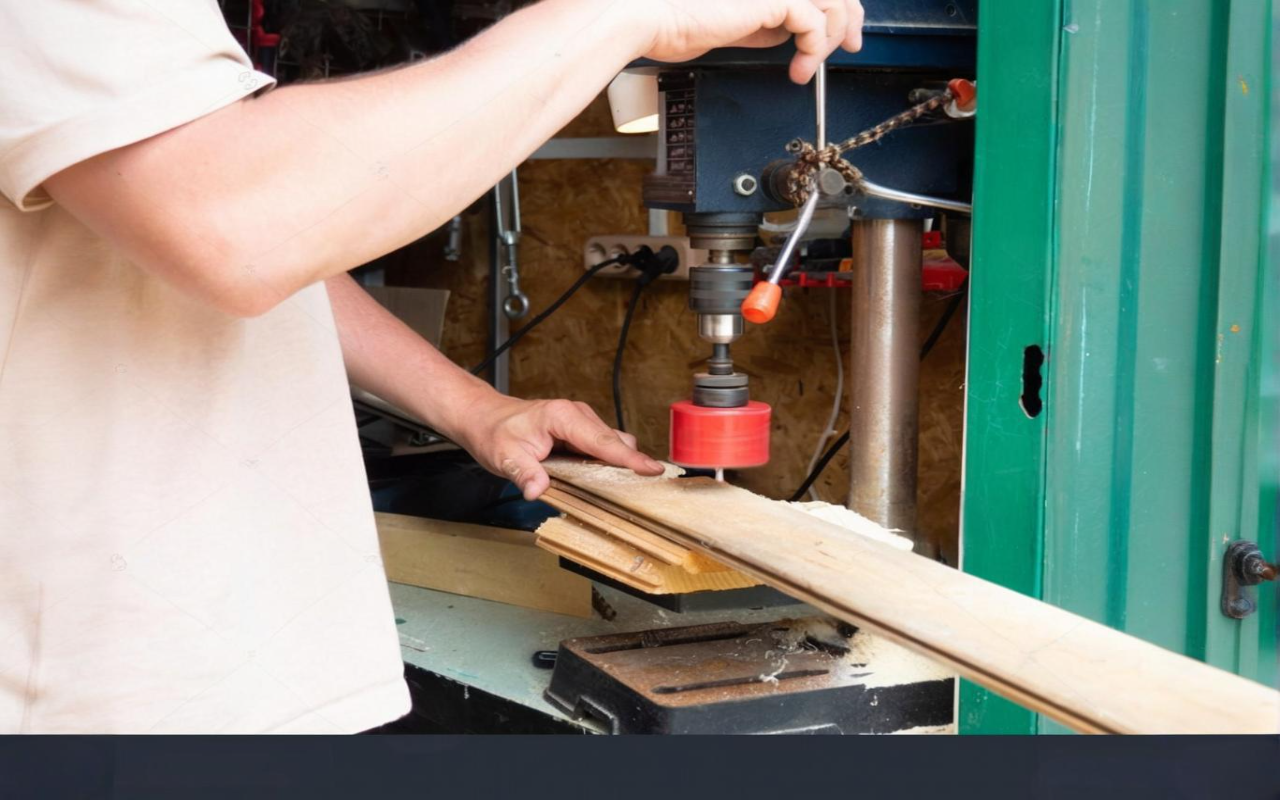
In any workshop, from a professional manufacturing space to a DIY enthusiast’s garage, the drilling machine is a central and essential piece of equipment. Its core function is to create holes, but its versatility extends to several other operations that are vital for fabrication and repair. A workshop drilling machine provides the precision, power, and repeatability that handheld drills lack, making it indispensable for producing quality work. It is the go-to tool for any task that requires a clean, accurate hole in a controlled manner.
The category of “drilling machine in a workshop” encompasses several types, each suited to different tasks. The most common is the Bench Drilling Machine, described in Article 1, used for small, precise work. The Sensitive Drill Press is a type of bench drill designed for very high speeds and extremely light pressure, perfect for drilling tiny holes in delicate materials like circuit boards or small plastic parts. For larger tasks, a Floor Pillar Drill is used; it’s a heavy-duty machine that stands on the floor and offers more power and a larger capacity than a bench model. Some advanced workshops might also have a Radial Drill for handling very large components or a Mill-Drill machine, which combines the functions of a drill press and a small milling machine for added versatility.
The functions of a workshop drilling machine go beyond just making holes. While its primary operation is drilling, with the right attachments and bits, it can perform other tasks:
- Reaming: Using a reamer tool to slightly enlarge a hole to a very precise diameter and smooth its walls.
- Tapping: Using a tap tool to cut threads inside a hole so that a screw or bolt can be screwed into it.
- Counterboring and Countersinking: Enlarging the top of a hole so that the head of a screw or bolt can sit flush with or below the surface of the material.
- Honing: Using a honing tool to achieve a fine surface finish inside a hole.
This multi-functionality makes the drilling machine the heart of the workshop. It is the first machine many operators use to begin a project, and it supports a wide range of activities that are fundamental to building, creating, and fixing almost anything made of metal, wood, or plastic.