
Industrial Grinding Machine: Micron-Level Finishing for Critical Surfaces
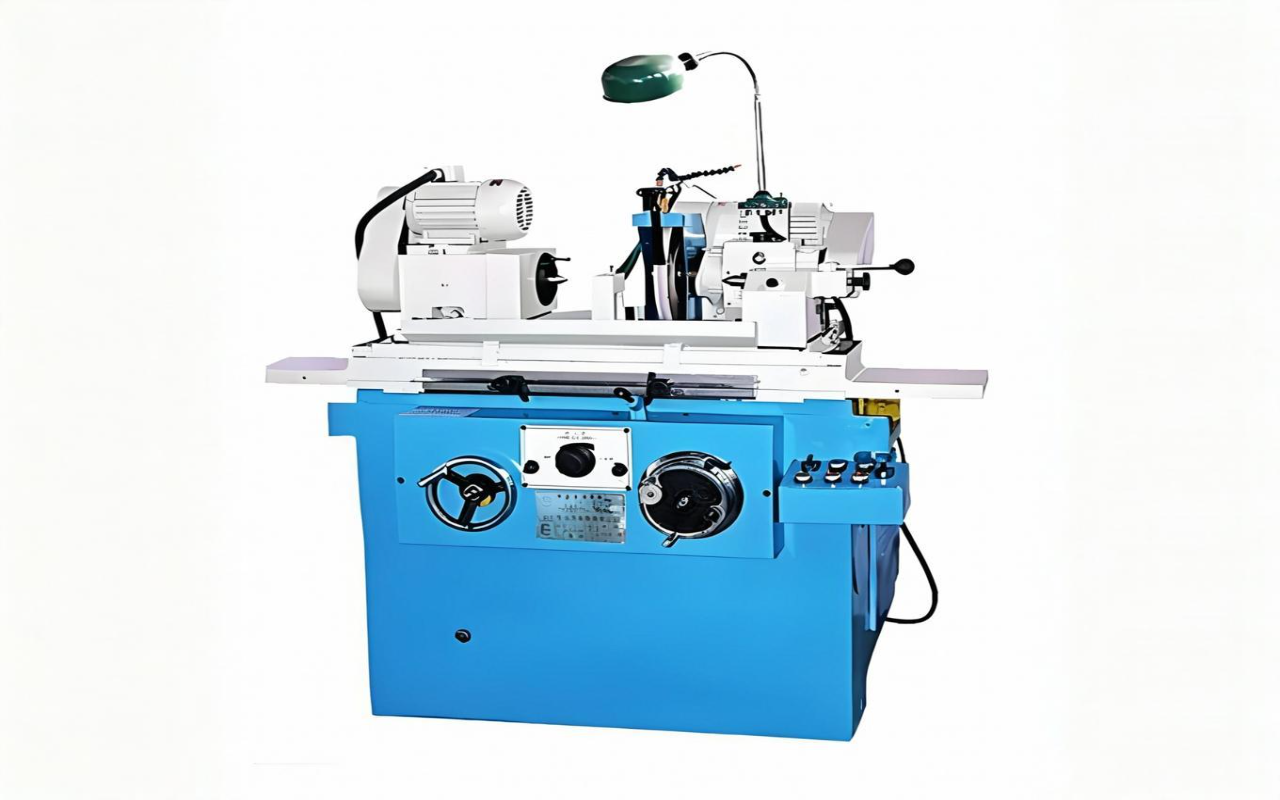
What is an Industrial Grinding Machine?
An industrial grinding machine uses abrasive wheels to achieve sub-micron surface finishes (Ra ≤ 0.1μm) and geometric tolerances (±0.001mm) on hardened metals, ceramics, and composites.
Types & Specifications
- Cylindrical Grinders
- For external/internal grinding of shafts (e.g., hydraulic rods up to Ø500mm).
- Surface Grinders
- Magnetic chucks hold parts for flat/angular grinding (600 x 300mm typical capacity).
- Centerless Grinders
- Through-feed systems for high-volume pins/bearings (0.5–30mm Ø).
- Tool & Cutter Grinders
- 5-axis CNC resharpens end mills, drills, and hobs.
Key Advantages
- Surface Integrity: Eliminates micro-cracks from milling.
- Hard Material Capability: Grinds 65+ HRC tool steels.
- Automation: Robotic loading/unloading for lights-out production.
- Cost Control: Extends tool life 3x via precision sharpening.
Applications
- Bearings: Raceways with 0.05μm Ra finish.
- Mold & Die: Core/cavity surfaces for injection molding.
- Automotive: Fuel injector nozzles with Ø0.1mm holes.
Operation Workflow
- Workholding: Secure parts between centers or magnetic chuck.
- Wheel Selection:
- Aluminum oxide: General steel grinding
- CBN/Diamond: Carbides, ceramics
- Grinding Cycle:
- Roughing: 0.02–0.2mm depth of cut
- Finishing: 0.002mm passes with coolant
- Post-Grinding Inspection: CMM verifies form/tolerances.