
Why Air-Floating IGU Lines Are Ideal for Low-E Glass Processing
Low-E insulating glass is widely used in energy-efficient windows, curtain walls and modern architectural façades. However, the coated glass surface is more sensitive than ordinary clear glass and requires careful handling throughout the production process.
Scratches, roller marks, dust and coating damage can reduce the appearance and value of the finished insulating glass unit. These problems become more serious when processing large-size Low-E glass, soft-coated glass or premium architectural units.
An air-floating insulating glass production line provides a practical solution by reducing direct mechanical contact with the glass surface during conveying and processing.
What Is an Air-Floating Insulating Glass Production Line?
An air-floating insulating glass production line is an automatic vertical IGU production system equipped with an air-cushion supporting structure.
During production, controlled airflow forms a supporting layer between the glass and the backing surface. This helps reduce direct friction and minimizes the possibility of scratches, roller marks, and surface contamination.
The line can integrate several production stages, including:
- Glass loading and conveying
- Low-E glass detection
- Glass washing and drying
- Visual inspection
- Spacer-frame positioning
- Glass assembly
- Automatic panel pressing
- Online argon gas filling
- Finished IGU conveying
Depending on the selected configuration, the production line can process double glazing, triple glazing, Low-E insulating glass and different glass sizes.
Why Does Low-E Glass Require Special Handling?
Low-E glass has a thin functional coating designed to reduce heat transfer and improve the energy efficiency of windows and façades.
This coating provides important thermal benefits, but it may also be sensitive to mechanical contact, improper cleaning, and contamination.
Common Low-E glass processing problems include:
- Coating scratches
- Roller marks
- Surface stains
- Incomplete cleaning
- Water spots
- Coating oxidation around the glass edge
- Damage caused by hard brushes
- Repeated handling between production stages
If these defects are discovered after the IGU has been assembled, the entire unit may require reworking or replacement. Therefore, protecting the glass surface from the beginning of production is essential.
How Does the Air-Floating System Protect Glass?
In a conventional vertical production line, the glass surface may remain in contact with support wheels or backing structures during transportation.
An air-floating support system reduces this contact by using evenly distributed airflow to support the glass.
Its main benefits include:
Reduced Surface Friction
The air cushion reduces direct friction between the glass and the supporting surface, helping protect sensitive coatings.
Fewer Roller Marks
Because the glass receives more uniform support, the risk of visible marks caused by conventional mechanical contact can be reduced.
Cleaner Glass Conveying
Reduced contact also helps limit secondary contamination after washing and drying.
Improved Support for Large Glass
Large glass sheets require stable support during conveying, assembly, and pressing. An air-floating structure distributes support across a wider area of the glass.
Smoother Production Flow
Stable glass movement improves positioning accuracy and helps the different sections of the automatic IGU line work together more consistently.
Washing Low-E Glass Correctly
The washing section is one of the most important parts of a Low-E glass processing line.
A suitable vertical glass washing machine should use soft brushes that can clean the glass without damaging the coating. The brushes, water system and drying system must work together to remove dust, oil and glass particles.
Important washing-machine features include:
- Multiple pairs of soft brushes
- Brushes suitable for Low-E glass
- Stainless-steel water-contact components
- Water heating and filtration
- Adjustable conveying speed
- Hot-air drying
- Stable air-knife performance
- Automatic Low-E surface detection
- Easy cleaning and maintenance
The coated surface should be identified before washing so that unsuitable brushes do not come into contact with it.
After drying, the glass should be clean, dry, and free from water spots before entering the spacer assembly and pressing sections.
Automatic Pressing and Argon Gas Filling
After the spacer frame has been positioned, the glass enters the assembly and panel-pressing section.
A servo-controlled pressing system can automatically adjust according to the glass size and required IGU thickness. Even pressure helps ensure accurate assembly without changing the position of the spacer frame.
Online argon gas filling can also be integrated into the pressing process.
Compared with separate manual gas filling, online filling can provide:
- More consistent production flow
- Reduced manual handling
- Adjustable gas-filling parameters
- Real-time gas-filling monitoring
- Improved production efficiency
- Better suitability for batch production
Some configurations can press and fill two insulating glass units during one operating cycle, depending on glass size and production requirements.
What Products Can the Line Process?
A properly configured air-floating IGU production line can be used for:
- Standard double glazing
- Triple insulating glass
- Low-E insulating glass
- Soft-coated Low-E glass
- Argon-filled IGUs
- Residential window glass
- Commercial curtain-wall glass
- Large architectural glass
- Different spacer widths
- Mixed-size production orders
Factories should confirm their maximum glass size, glass thickness, IGU structure, and required capacity before selecting a model.
Air-Floating Line vs. Conventional IGU Line
| Comparison | Conventional IGU line | Air-floating IGU line |
|---|---|---|
| Glass support | Mechanical contact | Air-cushion-assisted support |
| Low-E protection | Standard | Enhanced |
| Surface friction | Higher | Reduced |
| Roller-mark risk | Depends on structure | Lower |
| Large-glass stability | Configuration-dependent | More stable support |
| Product positioning | Standard IGU production | Premium Low-E and architectural IGUs |
| Investment | Lower initial configuration | Higher-value production solution |
A conventional line can still be suitable for factories mainly producing standard clear-glass units. However, factories processing premium Low-E glass, coated glass or high-value architectural IGUs should give greater consideration to surface protection.
How to Select the Right Configuration
Before requesting a quotation, buyers should prepare the following information:
- Maximum and minimum glass size
- Individual glass thickness
- Maximum insulating glass thickness
- Double or triple glazing requirements
- Low-E coating type
- Required daily production capacity
- Argon gas-filling requirements
- Standard or stepped IGU production
- Available workshop dimensions
- Factory voltage and frequency
Factories should also consider whether they need additional equipment such as:
- Automatic Low-E edge deleting machine
- Spacer bending machine
- Desiccant filling machine
- Butyl extruder
- Automatic sealing robot
- Glass inspection system
- ERP and barcode integration
- Glass loading and storage system
The best production-line configuration should be based on actual products and capacity—not simply the maximum number of available functions.
EASTGLAZ Air-Floating IGU Production Solution
EASTGLAZ provides automatic insulating glass machinery and complete glass-processing production solutions for window, façade, and architectural glass manufacturers.
The air-floating insulating glass production line can be configured with:
- Automatic Low-E surface detection
- Soft-brush washing system
- Stainless-steel water system
- Hot-air drying
- Air-floating glass support
- Automatic spacer positioning
- Servo-controlled panel pressing
- Online argon gas filling
- Double and triple glazing processing
- Stepped-glass positioning
- ERP and barcode connection
EASTGLAZ can also provide factory-layout planning according to the customer’s workshop dimensions, production flow, glass specifications, and future expansion requirements.
Build a Cleaner and More Efficient IGU Production Line
As the demand for energy-efficient and high-performance architectural glass increases, glass factories need production equipment that protects product quality at every stage.
An air-floating insulating glass production line does more than transport glass. It helps reduce surface contact, protect Low-E coatings, and create a cleaner, more stable production process.
Send EASTGLAZ your glass dimensions, Low-E coating type, daily capacity, and workshop layout. Our technical team will recommend a suitable automatic IGU production solution for your factory.
FAQ
What is an air-floating insulating glass production line?
It is an automatic vertical IGU production line that uses controlled airflow to support the glass and reduce direct contact with the backing structure during conveying and processing.
Is an air-floating IGU line suitable for Low-E glass?
Yes. Reduced mechanical contact helps protect sensitive Low-E coatings from scratches, roller marks, and secondary contamination.
Can the line produce triple insulating glass?
Yes. Depending on the equipment configuration, an air-floating IGU production line can process double and triple insulating glass units.
Can argon gas filling be integrated into the line?
Yes. Online argon gas filling can be integrated with the panel-pressing section to improve production efficiency and reduce manual handling.
Does every glass factory need an air-floating system?
Not necessarily. A conventional line may be sufficient for standard clear-glass production. An air-floating system is particularly valuable for factories processing Low-E, coated, large-size, or high-value architectural glass.
Related Products
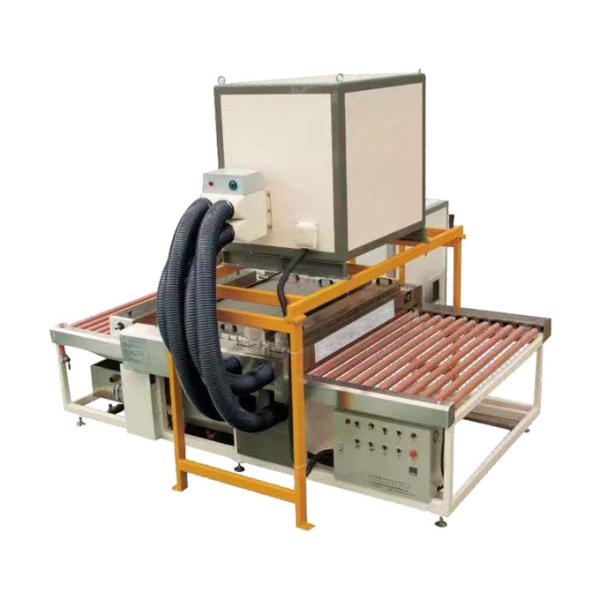
Horizontal Glass Washing and Drying Machine
Horizontal Glass Washing Machine
Automatic Jumbo Size Double Gas Filling Insulating Glass Production Line
Insulating Glass Machine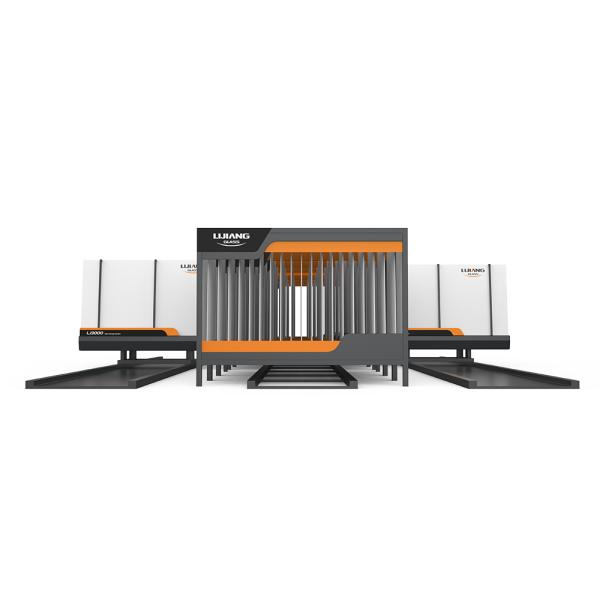
Intelligent Glass Storage and Sorting System
Insulating Glass Storage Chip System