What is PVC Heat Transfer Vinyl? Pros, Cons & Uses

PVC heat transfer vinyl is a cost-effective option for garment printing. Learn its pros, cons, and best uses compared to PU vinyl.
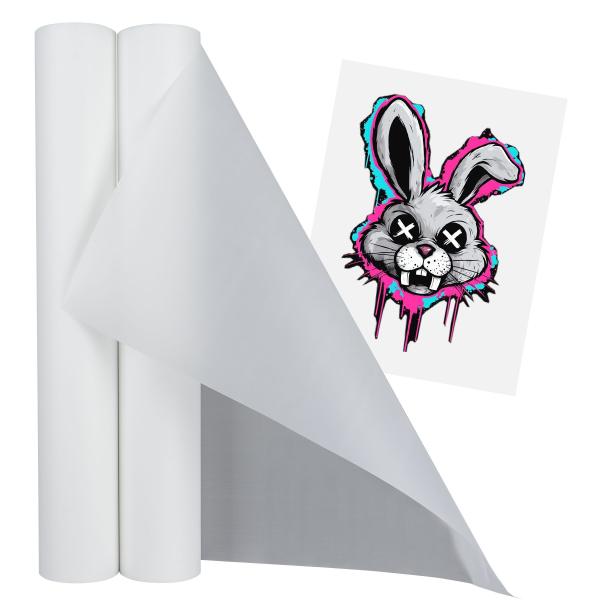
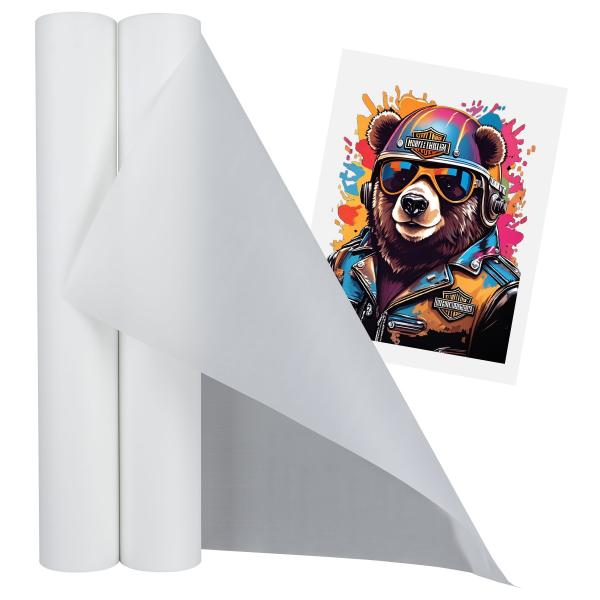
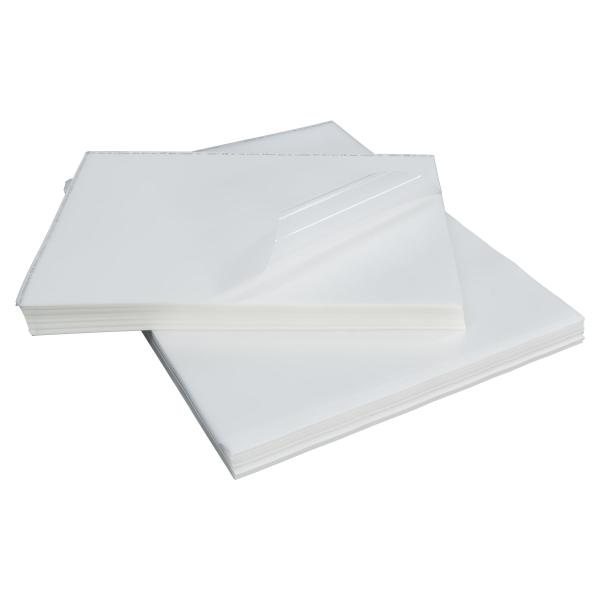
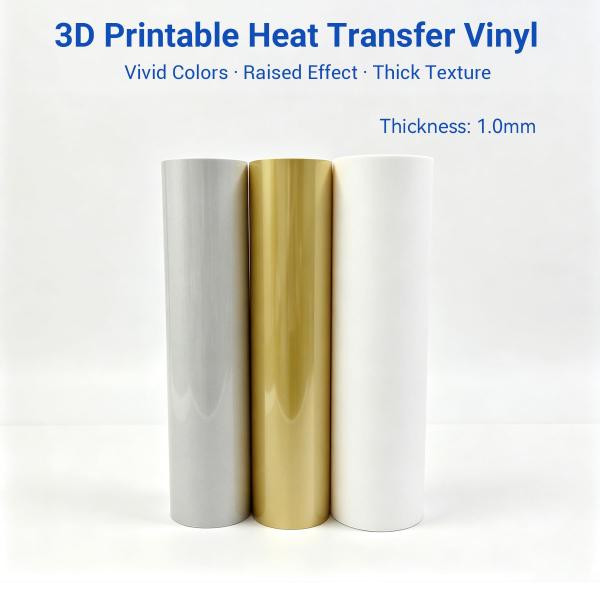
PVC heat transfer vinyl (PVC HTV) is a type of material used to apply designs onto fabric using heat and pressure.
In actual production, the process is quite straightforward:
-
Cut design from vinyl using a cutter/plotter;
-
Weed excess material;
-
Position on fabric;
-
Heat press at recommended temperature/time/pressure;
-
Peel carrier according to film type (hot peel/cold peel).
Compared with PU heat transfer vinyl, PVC is usually thicker and more rigid, which makes it easier to handle in certain situations.
From what we see in daily use, PVC is often chosen when cost and efficiency matter more than softness.
Pros of PVC Heat Transfer Vinyl
PVC HTV is still widely used, especially in bulk production. Here are some of its main advantages.
Easy to Cut and Weed
PVC is relatively stable during cutting, and the excess material is easier to remove.
This can help improve efficiency, especially for simple designs.
More Cost-Effective
Compared to PU, PVC is usually lower in cost.
For large-volume orders, this can make a noticeable difference.
Suitable for Simple Designs
PVC works well for:
-
Letters
-
Numbers
-
Basic logos
For these types of designs, it is often a practical choice.
Cons of PVC Heat Transfer Vinyl
While PVC has its advantages, there are also some limitations you should be aware of.
Thicker and Less Soft
After pressing, PVC feels heavier on fabric.
For clothing that needs to be comfortable, this can be a downside.
Lower Flexibility
PVC does not stretch as well as PU.
On stretchable fabrics, it may crack over time.
Not Ideal for Fine Details
Because it is thicker, PVC is not the best option for very small text or complex designs.
PVC vs PU Heat Transfer Vinyl
A common question is how PVC compares to PU.
In simple terms:
-
PU → softer, better for clothing
-
PVC → cheaper, better for simple and bulk production
Here’s a quick comparison:
| Feature | PVC HTV | PU HTV |
| Feel | Thick | Soft |
| Flexibility | Lower | Higher |
| Cost | Lower | Higher |
| Best for | Bulk/simple | Apparel/detail |
If your products are worn daily, PU is often preferred.
If your focus is cost control, PVC is still a solid option.
Common Uses of PVC Heat Transfer Vinyl
PVC HTV is commonly used in situations where design simplicity and cost efficiency are the priority.
Typical applications include:
-
Workwear logos
-
Sports jersey numbers
-
Promotional T-shirts
-
Bulk uniform printing
We’ve seen many factories continue to use PVC for these types of orders because it’s practical and stable.
Common Uses of PVC Heat Transfer Vinyl
PVC HTV is commonly used in situations where design simplicity and cost efficiency are the priority.
Typical applications include:
-
Workwear logos
-
Sports jersey numbers
-
Promotional T-shirts
-
Bulk uniform printing
We’ve seen many factories continue to use PVC for these types of orders because it’s practical and stable.
When Should You Choose PVC HTV?
PVC can be a good choice if:
-
You are producing in large quantities
-
Your designs are simple
-
You need to control material cost
-
However, if your focus is on garment quality or comfort, PU may be a better option.
Looking for a PVC HTV Supplier?
If you are sourcing PVC heat transfer vinyl, consistency is important.
Stable quality can help avoid production issues and improve efficiency.
We supply PVC HTV for different applications.
If you want to test materials or compare with PU, you can contact us for samples.