What is PU Heat Transfer Vinyl? Benefits, Uses & How to Choose

PU heat transfer vinyl is soft, flexible, and ideal for garment printing. Learn its benefits, uses, and how to choose the right PU HTV.
What is PU Heat Transfer Vinyl?
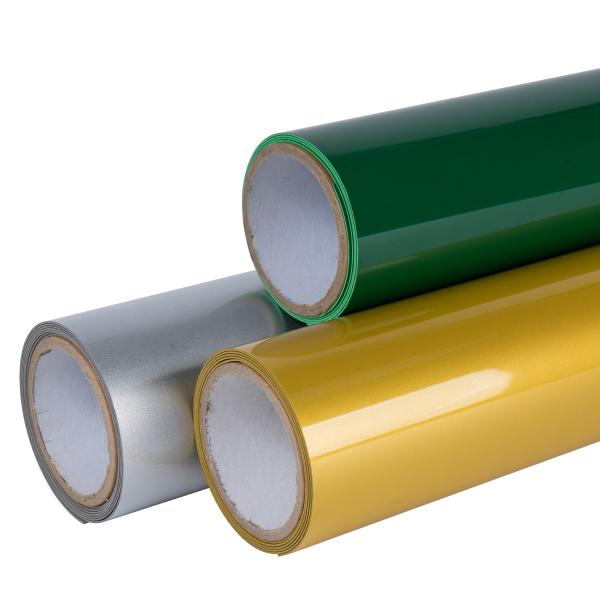
PU heat transfer vinyl (PU HTV) is one of the most commonly used materials in garment printing.
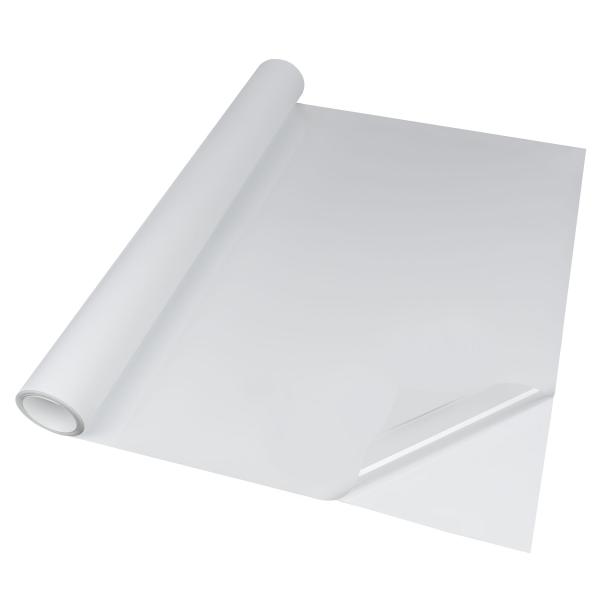
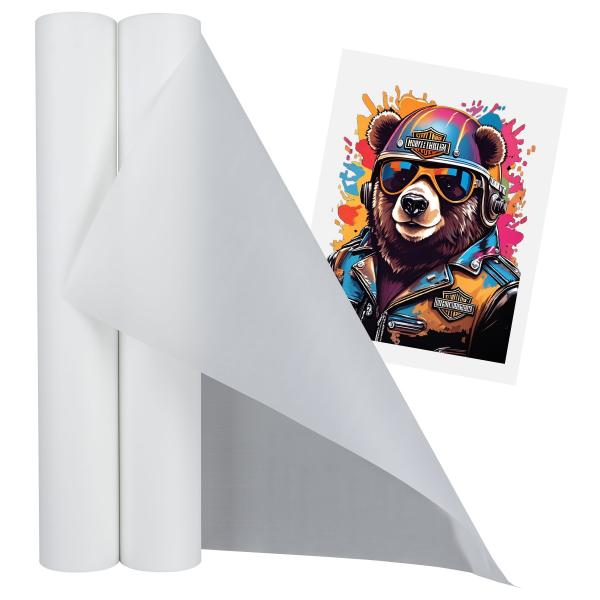
It’s made from polyurethane and is applied to fabric using heat and pressure. In actual use, the process is quite straightforward: cut the design,weed away the excess vinyl, press it onto the fabric,remove the protective film,and finalize the transfer.
Compared to other materials, PU feels softer after pressing, which is why it’s widely used for clothing instead of more rigid options.
From what we see in daily production, many customers start with PU when they want a better balance between quality and usability.
Why Many Customers Prefer PU HTV
There are a few reasons why PU is often chosen over other types of vinyl.
First, the finished result feels more natural on the fabric. It doesn’t leave a heavy layer on the surface, which is important for T-shirts and sportswear.
Second, it has good stretch. This matters when the fabric moves, especially for activewear. A more rigid material may crack over time, while PU usually performs better in this regard.
Another point is environmental requirements. Some clients, especially from Europe, specifically request for materials that meet certain standards, and PU is often the safer option.
Also, if your designs include small text or fine details, PU is generally easier to handle.
Where PU Heat Transfer Vinyl is Commonly Used
PU HTV is mostly used in apparel-related products.
Typical cases include:
-
T-shirt printing
-
Sports uniforms
-
Brand logos on clothing
-
Workwear
-
Small custom orders
We’ve also seen many small printing businesses continue to use PU because it’s relatively stable and easier to manage during production.
PU vs PVC: What’s the Real Difference?
A question that comes up quite often is whether to choose PU or PVC.
In practice, the difference is quite noticeable once you start using them.
PU is thinner and softer, so it works better for clothing where comfort matters.
PVC is thicker and usually cheaper, which makes it more suitable for simple designs or large-volume orders.
If the end product is something people wear daily, most customers will tend to prefer PU.
If cost is the main concern and the design is simple, PVC can still be a reasonable choice.
How to Choose a Suitable PU HTV?
Not all PU materials perform equally, so it’s worth paying attention to a few details before placing larger orders.
One thing to check is how easy it is to cut and weed. This directly affects how much time you spend during production.
Adhesion is another key point. A good PU film should remain firmly attached to the fabric after washing. If it starts peeling too early, it usually means the material or the application settings are not right.
Customers have reported difficulties with weeding or inconsistent results before switching to a more stable material.
It’s also a good idea to test on your actual fabric before moving to bulk production. Different fabrics can behave differently.
Common Issues You Might Run Into
In real production, a few problems show up quite often.
Peeling after washing is one of them. In many cases, it’s related to pressing temperature or time, but material quality also plays a role.
Another issue is weeding difficulty. If the film doesn’t release cleanly, it slows everything down.
There can also be adhesion problems on certain fabrics, especially if the material and fabric are not well matched.
From experience, these issues can usually be resolved once the right combination of material and settings is identified.
About Sourcing PU Heat Transfer Vinyl
If you regularly purchase PU HTV regularly, consistency is something you’ll want to pay attention to.
Unstable batches can cause problems in production, especially when you’re working with repeat orders.
That’s why many buyers prefer to work with suppliers who can provide consistent quality and clear application guidance.
We supply PU heat transfer vinyl for different applications. If you’re testing materials or looking to improve your current results, you can reach out for samples and see how it performs on your side.
Final Thoughts
PU heat transfer vinyl is a practical option for most garment printing needs.
Once you become familiar with its characteristics, it’s relatively easy to work with and can deliver reliable results across different applications.