Heat Transfer Vinyl, DTF Film & PET Release Film: A Practical Guide for Garment Printing Businesses
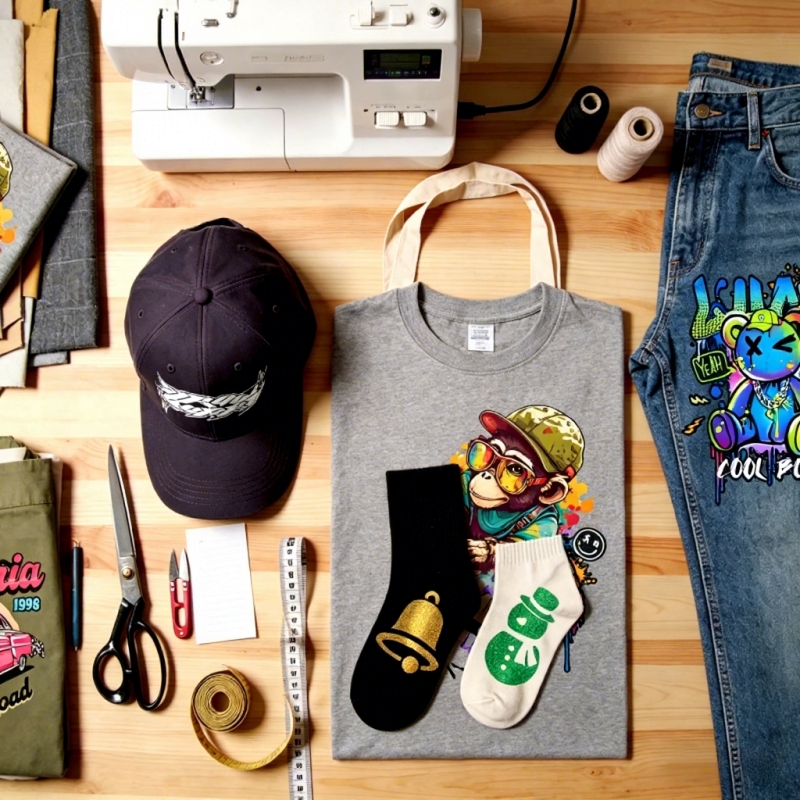
In garment printing work, we’ve found that In garment printing work, we’ve found that material selection is often the key factor that determines production efficiency.
Different customers come with different production setups. Some are doing small custom orders, some are running full production lines, and others are focused on industrial printing processes.
But in most cases, the materials they end up using fall into three categories:
-
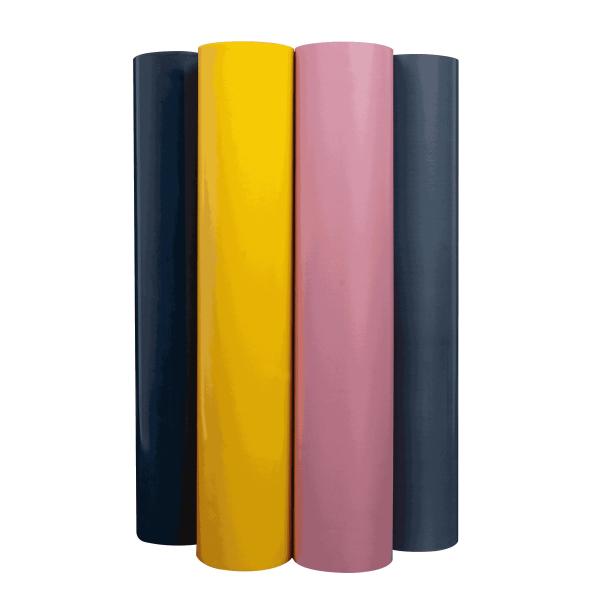
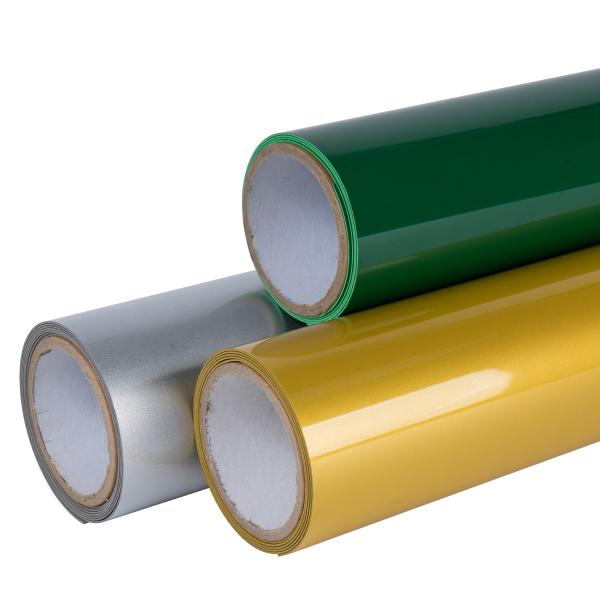
Heat Transfer Vinyl (HTV)
-
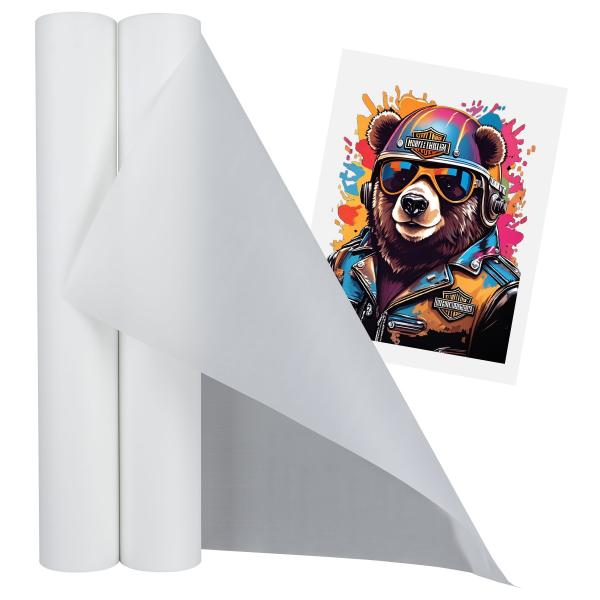
DTF Film
-
Release Film
They are not complicated products on their own. The real difference is how and where they are used in production.
How to Understand These Materials in Real Production
Most buyers don’t actually start by asking for technical definitions.
They usually start with something like:
“What should I use for T-shirt printing?”
“We are doing bulk orders, which material is better?”
“Can this work with silicone printing?”
So instead of thinking in categories, it’s easier to look at them based on production workflow.
Some materials are used for cutting and simple designs
Some are used for digital printing with more complex images
Some are supporting materials used in industrial printing processes
Once you look at it this way, selection becomes much more straightforward.
Heat Transfer Vinyl (HTV) in Daily Production
Heat Transfer Vinyl is still widely used, especially in small workshops and custom printing businesses.
Most of the time, it’s used for simple designs like logos, names, or numbers.
From what we see in daily orders, customers choose HTV mainly because:
It works directly with cutting machines
It is easy to control for small batches
The cost is predictable and stable
Typical use cases include:
Custom T-shirts for events or brands
Sports team uniforms
Small personalized orders
It’s usually the first material people try when they start garment customization.
DTF Film in Factory Production
DTF Film has become much more common in recent years, especially in factories handling medium or large orders.
Compared with cutting-based materials, it follows a completely different workflow — printing first, then transferring to fabric.
In real production, customers prefer DTF because:No cutting or weeding work needed
It handles full-color designs better
It saves time when order volume increases
It is often used for:
Fashion apparel production
Bulk promotional orders
Complex graphic printing jobs
Many factories switch to DTF once their order volume starts growing.
PET Release Film in Industrial Printing
PET Release film is not something end customers usually see, but it plays a key role in screen printing and silicone printing.
It is mainly used as a carrier layer during high-temperature transfer.
In production environments, it matters because:
It needs to stay stable under heat
It must release cleanly after curing
It affects final print accuracy more than people expect
Typical applications include:
Silicone printing
Screen printing
Heat transfer label production
Even though it’s not a “finished product material”, it directly impacts production consistency.
How Buyers Usually Decide
Most buyers don’t choose based on product names first.
They usually decide based on what they are actually producing.
A simple way we explain it to customers is:
Small custom work → Heat Transfer Vinyl
High-volume printing → DTF Film
Industrial or silicone process → Release Film
In practice, machine setup, order volume, and labor cost matter more than anything else.
| Material | Where it fits | Main advantage |
| Heat Transfer Vinyl(HTV) | Custom orders | East to operate |
| DTF Film | Bulk production | High efficiency |
| Release Film | Industrial printing | Stable process support |
Where These Materials Are Used
In real garment production, these materials are used across:
T-shirts
Hoodies
Sportswear
Bags
Shoes
Promotional clothing
Most factories don’t rely on just one material. They usually combine different options depending on order type.
Why Stability Matters in Production
In actual factory work, unstable materials often create more trouble than machines.
Common issues we see include:
Color inconsistency between batches
Weak adhesion after washing
Unstable production output
That’s why experienced buyers usually focus more on: