Private Label Buyer Checklist for Beautyworld Dubai 2026

Beautyworld Middle East 2026 will take place from 6–8 October 2026 at the Dubai World Trade Centre, bringing together beauty, personal care and consumer-product professionals from international markets. For private-label buyers, the exhibition is not only an opportunity to discover new products—it is also an ideal place to discuss formulas, packaging, pricing and production feasibility directly with manufacturers.
However, an effective supplier meeting requires more than collecting catalogs and samples. The clearer your project requirements are, the easier it is for a manufacturer to recommend suitable products, estimate costs and prepare the next development steps.
Before attending Beautyworld Dubai 2026, prepare the following private-label buyer checklist.
1. Define Your Target Market and Sales Channel
Begin by identifying where and how the product will be sold.
Consider:
Target country or region
Retail stores, supermarkets or pharmacies
E-commerce platforms
Professional or commercial distribution
Premium, mid-range or value-market positioning
Market positioning affects the formula, packaging, product size, label language and compliance requirements. A product developed for European e-commerce may require a different packaging strategy from one intended for Middle Eastern supermarkets or African wholesale channels.
2. Select the Product Category
Prepare a list of the products you are interested in developing. This allows the manufacturer to arrange relevant samples and recommend suitable production solutions.
Product categories may include:
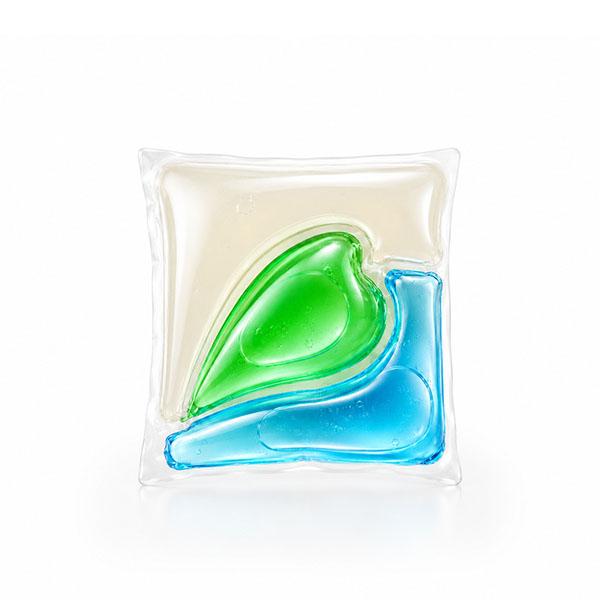
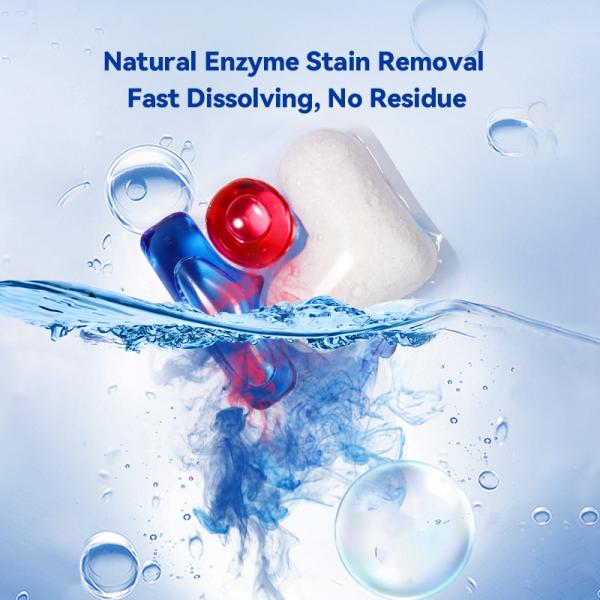
Laundry detergent pods
Liquid laundry detergent
Fabric softener
Toilet cleaner
Kitchen degreaser
Dishwashing products
Toothpaste
Shower gel
Other household or personal-care products
If you plan to build a product range, identify which product should launch first and which products may be added later.
3. List the Required Functions
Avoid describing your project only as “a high-quality product.” Provide specific performance requirements.
For example:
Deep cleaning or stain removal
Long-lasting fragrance
Fabric softening
Odor control
Heavy grease removal
Moisturizing care
Sensitive-care positioning
Customized functional combinations
If you already have a benchmark product, bring a sample, photograph or specification sheet. This helps the manufacturer understand your expected product positioning more accurately.
4. Set a Target Price Range
A target price helps the manufacturer recommend a realistic combination of formula, dosage, packaging and order quantity.
Before the exhibition, consider:
Target purchasing price
Expected retail price
Required distributor or retailer margin
Preferred packaging cost
Whether the project prioritizes price, performance or premium presentation
The final quotation will depend on the approved formula, packaging materials, order quantity and shipping terms, but an initial price range makes the discussion more efficient.
5. Prepare Your Fragrance Preferences
Fragrance can strongly influence product acceptance, especially in laundry, household cleaning and personal-care categories.
Prepare information such as:
Preferred fragrance family
Fragrance intensity
Target consumer preferences
Existing fragrance reference
Fragrance-free requirements
Need for customized scent development
Common directions include floral, fruity, citrus, fresh, woody, lavender and ocean-inspired fragrances.
6. Confirm Packaging Requirements
Packaging affects product positioning, safety, transportation and cost.
Consider:
Bottle, pouch, box, tub, jar or bucket
Required product capacity or weight
Bottle and cap colors
Pump or trigger-sprayer requirements
Child-resistant packaging
Recyclable or reduced-plastic options
Printed label or direct packaging printing
Retail box and export-carton requirements
If your artwork is not ready, ask whether the manufacturer can support packaging layout, multilingual labels and private-label design.
7. Estimate Your First Order Quantity
Prepare an estimated quantity for the initial order. It does not need to be final, but it should be realistic.
Useful information includes:
Estimated number of pieces
Number of SKUs
Quantity per fragrance or formula
Expected repeat-order volume
Trial order or full market launch
MOQ may vary according to formula, packaging material, printing method and the number of product variants.
8. Establish Your Target Launch Date
Work backwards from your planned market-launch date.
The development process may include:
1. Requirement confirmation
2. Formula development
3. Sample evaluation
4. Packaging selection
5. Artwork approval
6. Material preparation
7. Mass production
8. Quality inspection
9. Shipping
Sharing your timeline helps the manufacturer determine whether the project schedule is feasible.
9. Identify Testing and Compliance Requirements
Compliance requirements vary by product type and destination market. Before meeting suppliers, prepare a list of the documents or testing support you may need.
These may include:
Product specifications
Ingredient information
Safety Data Sheet
Certificate of Analysis
Microbiological or stability testing
Packaging and label information
Factory quality-management documents
Market-specific compliance support
Final claims, testing and documentation should always be confirmed according to the approved formula and the regulations of the destination market.
Bring Your Project Requirements to Booth 2A20
A well-prepared buyer can move from an initial conversation to sample development much faster.
Bring your product concept, target market, required functions, preferred fragrance, packaging specifications, estimated order quantity and launch schedule to Booth 2A20 at Beautyworld Dubai 2026.
The Authentic team will discuss your requirements, evaluate production feasibility and recommend suitable OEM/ODM solutions for your private-label project.
Visit Booth 2A20 to discuss your product ideas, sample requirements and customized manufacturing plan.
Related Products