
How do you pick lead-acid batteries or lithium batteries for elderly mobility vehicles
1. Lead-Acid Batteries: The Traditional, Safe, and Budget-Friendly Option
2. Lithium Batteries: The Modern, High-Performance, and Lightweight Option
3. Comprehensive Comparison Summary
4. How to Choose? A Practical Decision Framework
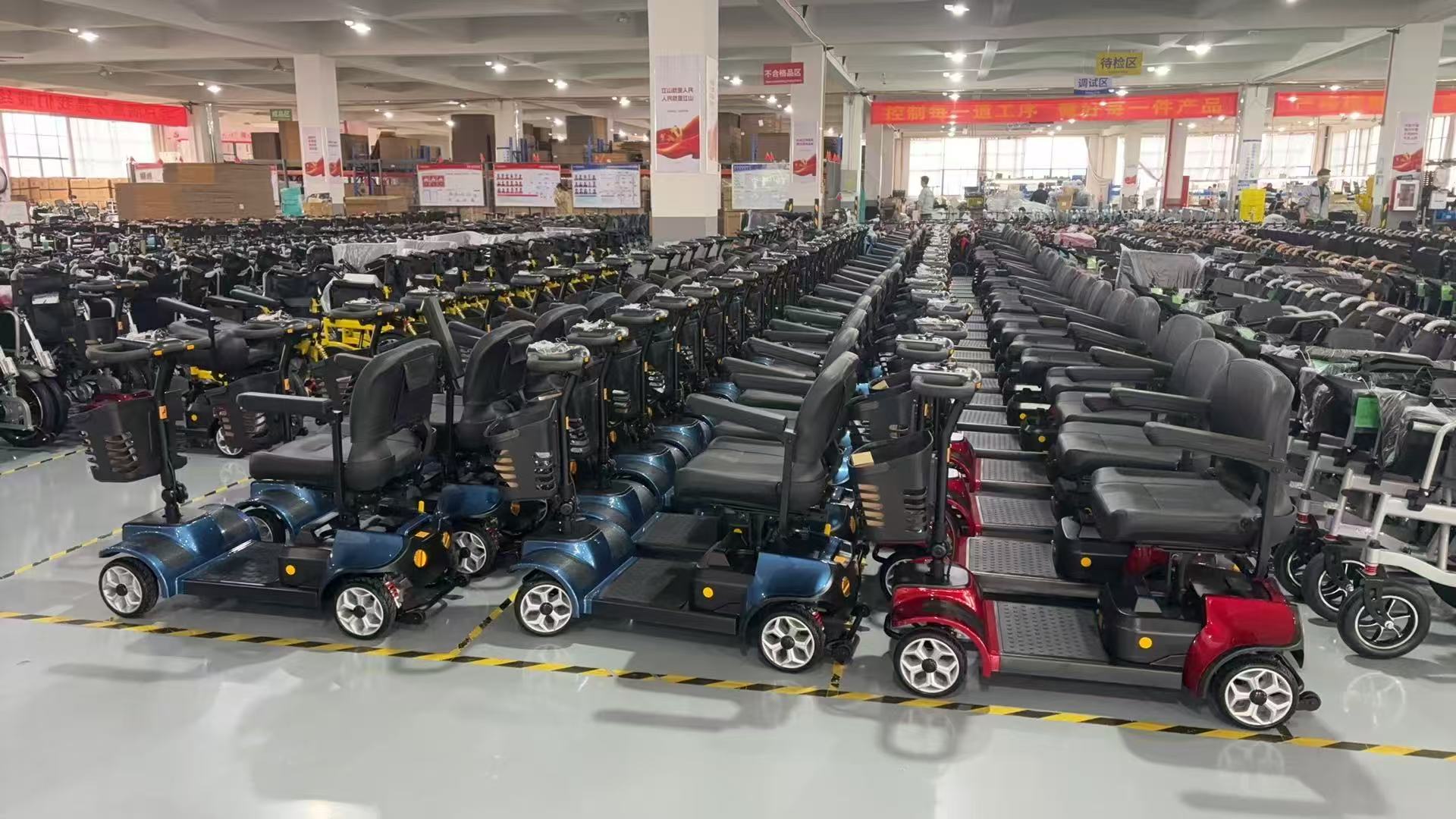
Choosing the right battery for an elderly mobility scooter (often referred to as a senior leisure vehicle, mobility scooter, or low-speed electric vehicle) is a crucial decision. It directly impacts the vehicle's safety, driving range, maintenance effort, and overall cost. The two primary options on the market are Lead-Acid and Lithium-ion batteries.
For elderly drivers and their families, making the right choice requires balancing upfront costs against long-term convenience and, most importantly, safety. Here is a comprehensive, deep-dive guide to help you make an informed choice based on practical needs, budget, and living environments.
1. Lead-Acid Batteries: The Traditional, Safe, and Budget-Friendly Option
Lead-acid batteries have been the industry standard for electric scooters and low-speed vehicles for decades. For many elderly drivers, they remain a familiar, reliable, and deeply comforting choice.
The Advantages (Pros)
High Safety and Inherent Stability: Lead-acid batteries are incredibly stable chemically. They are highly resistant to overcharging, physical impacts, and extreme temperatures. The risk of spontaneous combustion or thermal runaway (explosion) is virtually zero. For families where senior safety is the absolute top priority, this provides immense peace of mind.
Lower Initial Financial Burden: They are significantly cheaper to purchase upfront compared to lithium alternatives. If a budget constraint is a primary factor during the initial purchase, a lead-acid vehicle keeps costs low. Replacing a dead pack down the road won't break the bank.
High Recyclability and Trade-in Value: Nearly 90% to 98% of a lead-acid battery’s materials can be recycled. In many regions, there is a mature recycling ecosystem where you can trade in an old, dead lead-acid battery for a significant discount on a new one.
The Disadvantages (Cons)
Heavy and Bulky: Lead-acid batteries have a very low energy density. This means they require a massive, heavy block of lead to store power. This adds significant "dead weight" to the scooter, making the vehicle less nimble and slightly reducing overall energy efficiency.
Shorter Lifespan: They typically last for about 300 to 500 charge-discharge cycles. For a senior who uses their scooter daily, this translates to roughly 1.5 to 2 years of regular use before the driving range degrades significantly, requiring a full replacement.
Voltage Drop (The "Fading Power" Effect): As a lead-acid battery drains, its voltage drops. This means when the battery is at 30% capacity, the scooter will noticeably slow down and struggle to climb small hills compared to when it was fully charged.
2. Lithium Batteries: The Modern, High-Performance, and Lightweight Option
Lithium-ion batteries represent the modern era of electric mobility. When discussing senior vehicles, the industry standard is typically Lithium Iron Phosphate (LiFePO4), which is a much safer and more durable chemistry than the lithium used in smartphones or laptops.
The Advantages (Pros)
Exceptional Lifespan: A high-quality lithium battery can handle 1,500 to over 3,000 charge cycles. In practical terms, it can easily last 5 to 8 years, often outliving two or three sets of lead-acid batteries and potentially lasting as long as the scooter itself.
Lightweight and Portable: Lithium batteries have a high energy density, weighing only about one-third to one-fourth of a lead-acid battery of the same capacity. This allows manufacturers to design removable battery packs (extractable batteries) that a senior or their family can easily carry indoors to charge.
Consistent Power Output and Fast Charging: Lithium batteries provide flat discharge curves, meaning the scooter will run at full speed and power whether the battery is at 99% or 15%. They also charge much faster, usually taking half the time of a lead-acid battery.
The Disadvantages (Cons)
High Upfront Cost: The initial purchase price of a lithium-powered scooter or a replacement lithium pack can be two to three times higher than lead-acid. It requires a larger upfront investment.
Safety Risks in Low-Quality Brands: While LiFePO4 is highly stable, cheap, unbranded, or poorly manufactured lithium batteries (especially "ternary lithium" or DIY modified packs) pose severe fire risks if they lack a proper protection system or are exposed to extreme conditions.
3. Comprehensive Comparison Summary
Feature | Lead-Acid Battery | Lithium Battery ( LiFePO4) |
Initial Cost | Low / Extremely budget-friendly | High upfront investment |
Lifespan | Short (1.5 – 2 years / 300-500 cycles) | Long (5 – 8 years / 1500-3000+ cycles) |
Weight & Portability | Very Heavy (Fixed inside the vehicle) | Lightweight (Often removable/portable) |
Power Consistency | Weakens as the battery drains | Consistent power until completely empty |
Safety Profile | High inherent chemical safety | Requires a high-quality BMS to ensure safety |
Long-term Value | Higher frequency of replacements | Cheaper when calculated per year of use |
4. How to Choose? A Practical Decision Framework
To make the right choice, stop looking at which technology is "better" on paper, and instead look at the specific living situation and daily habits of the elderly driver:
Choose Lead-Acid If:
Ground-Floor Charging is Readily Available: If the senior lives in a ground-floor house, a property with a private courtyard, a garage, or an apartment complex with dedicated outdoor charging stalls, lead-acid is ideal. You never need to lift the battery, so weight doesn't matter.
Short, Predictable Daily Trips: If the scooter is strictly used for short errands—like buying groceries at a market 2 kilometers away, picking up grandkids from a nearby school, or driving around the neighborhood block.
Strict Budget Restrictions: If you want to keep immediate expenses low or are unsure how often the senior will actually use the vehicle.
High Safety Anxiety: If the elderly user or their family worries deeply about battery safety, lead-acid provides absolute, stress-free peace of mind.
Choose Lithium If:
No Ground-Floor Charging (High-Rise Living): If the user lives in an apartment building without outdoor charging piles, a lightweight, removable lithium battery is mandatory. It allows the user or a family member to bring the battery upstairs to charge via a standard home outlet.
Long-Distance Travel Needs: If the senior enjoys driving to distant parks, visiting relatives on the other side of town, or taking all-day outings where a sudden drop in power would leave them stranded.
Physical Frailty and Longevity Preference: If you want a "set-it-and-forget-it" solution where you do not have to worry about taking the vehicle to a mechanic every 18 months to swap out heavy, degraded lead-acid batteries.
Related Products

Folding Mobility Scooter
GM11017
Lightweight Aluminium Rollator
GM30026
Folding Electric Scooter
GM11008