
The Process of Making Cement: The Central Role of Cement Making Machines
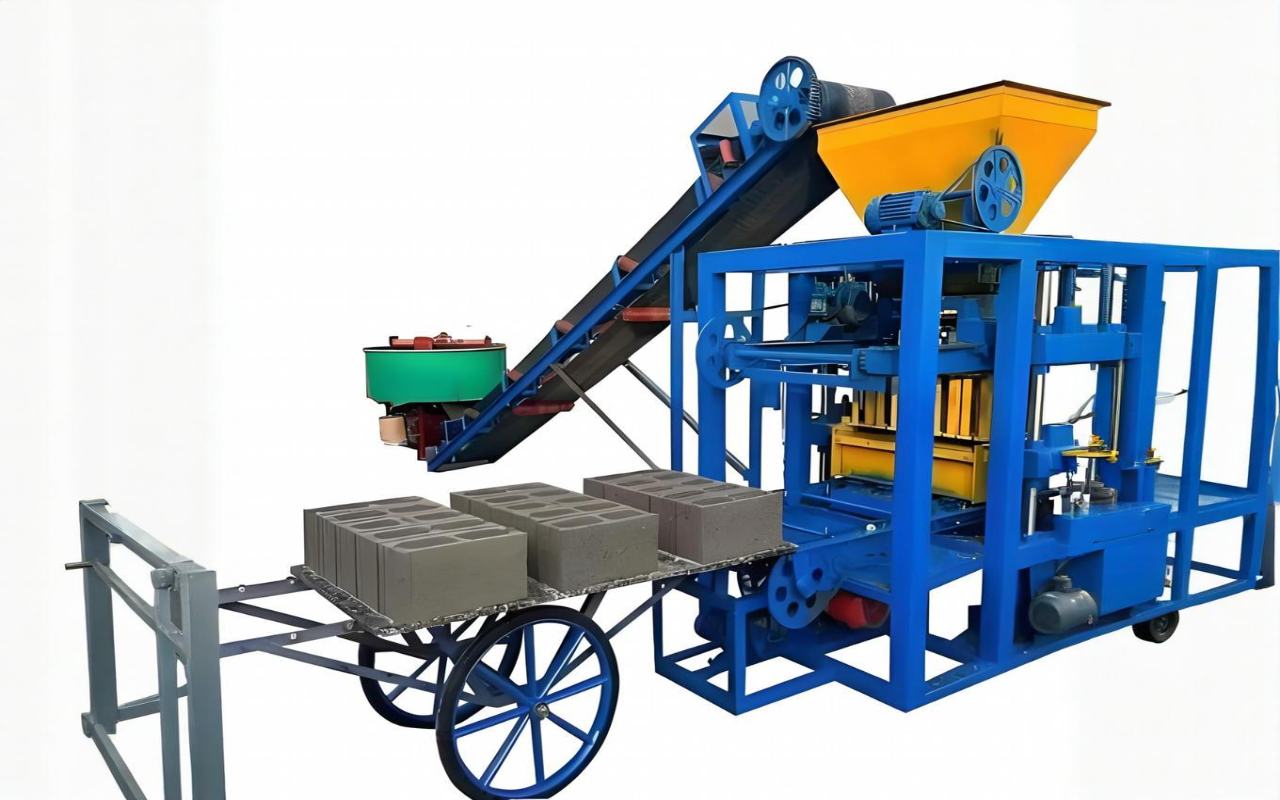
Cement Making Machinery refers to all the heavy-duty equipment used in the production of cement, the key binding ingredient in concrete. This machinery works together in a large factory called a cement plant to transform raw materials like limestone and clay into the fine grey powder we know as cement. The process is complex and requires massive, durable machines that can handle high temperatures and heavy loads.
The equipment is categorized by the specific job it does in the five main stages of cement production:
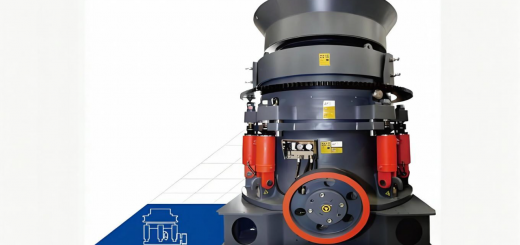
- Crushing Machines: Large crushers break down the big rocks of raw material into smaller pieces.
- Raw Mill Equipment: These machines grind the crushed rock into a very fine powder called raw meal.
- Preheater and Rotary Kiln: This is the heart of the process. The raw meal is heated in a preheater tower and then fed into a giant rotating furnace called a rotary kiln. Inside the kiln, it is heated to extremely high temperatures (over 1400°C), which causes a chemical change and forms new compounds called clinker.
- Cooling Machine: The hot clinker drops out of the kiln and must be cooled down quickly by air in a cooler machine.
- Cement Mill Equipment: The cooled clinker is ground into an ultra-fine powder in a large grinding mill. A small amount of gypsum is added during this stage to control the setting time.
The function of this machinery is absolutely vital. Without it, we could not produce the vast quantities of cement needed for global construction. Cement is the essential component of concrete, which is the world’s most widely used building material. Everything from houses, schools, and bridges to dams and skyscrapers relies on cement. These machines make mass production possible, ensuring the cement has consistent quality and strength, which is critical for the safety and durability of all our built structures.