
The Mobile Digger: How Wheeled Excavators Work and Where We Use Them
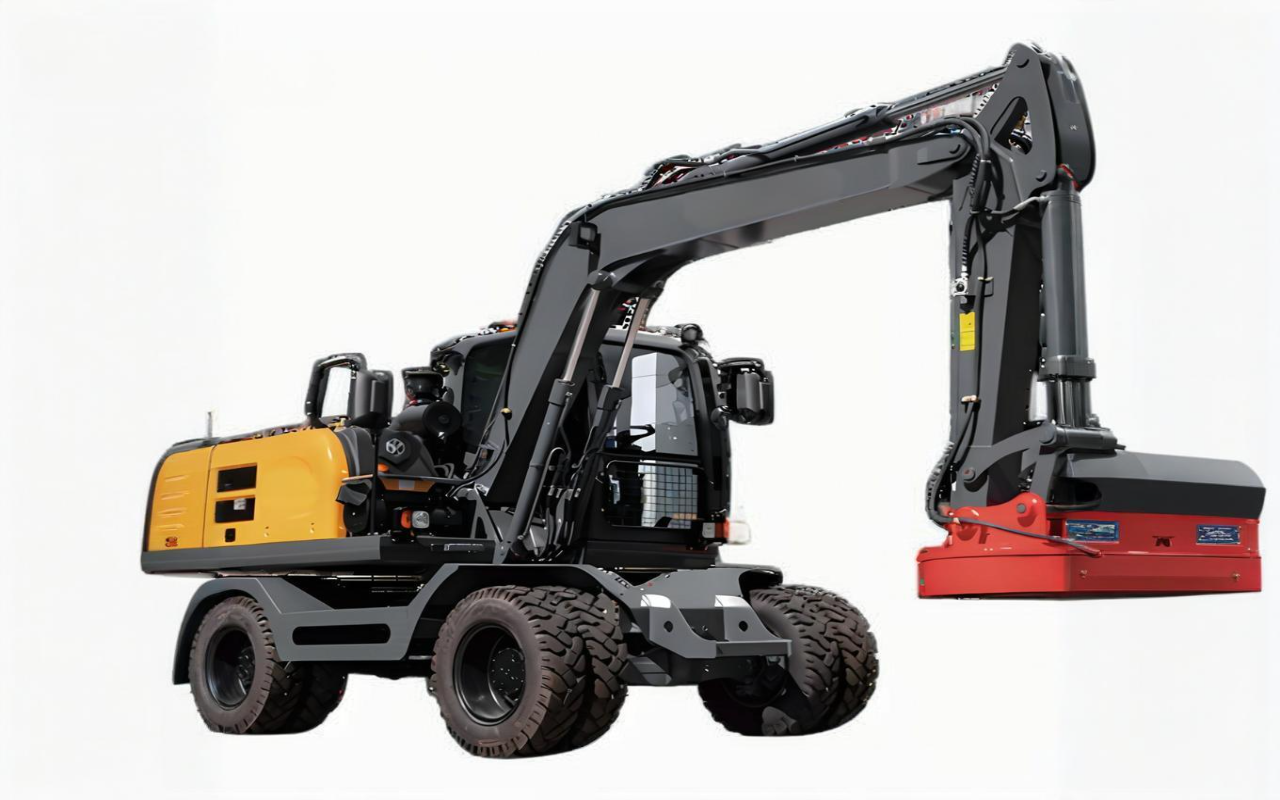
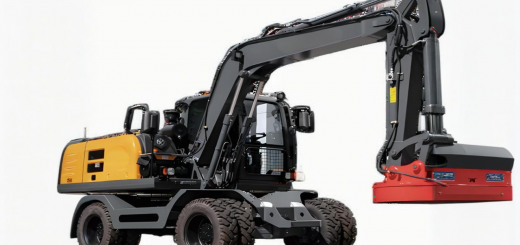
A Wheeled Excavator is a type of engineering vehicle used for digging and moving earth. It looks very similar to the more common crawler excavator (which has tracks like a tank), but with one big difference: it has wheels with rubber tires. This design gives it a major advantage in mobility. While a track-based excavator is slow and can damage roads, a wheeled excavator can drive on public roads at relatively high speeds, much like a truck. This makes it perfect for jobs that are spread out across a city or that require moving quickly from one site to another.
While all wheeled excavators share the same basic design, they can be categorized by their size and specific features:
- Compact Wheeled Excavators: These are smaller machines, ideal for working in tight spaces like city streets, utility work, and landscaping.
- Standard Wheeled Excavators: These are the most common size, used for general construction, road building, and digging trenches for pipes or cables.
- All-Steer Excavators: Some models have special steering systems where all four wheels can turn. This allows for “crab steering” (moving sideways) which is very useful for positioning the machine in confined areas.
The uses of a Wheeled Excavator are diverse, but its main role is in urban and suburban projects. Its ability to travel quickly on roads makes it the first choice for municipal work, like fixing water pipes, digging drainage ditches, or landscaping parks. It is also widely used in laying gas lines and fiber optic cables along existing roads. Because it doesn’t damage paved surfaces like metal tracks can, it is much more suitable for work on sidewalks, asphalt, and other finished surfaces. In short, the Wheeled Excavator is the go-to digging machine for any job that requires a combination of powerful digging ability and the freedom to move quickly from place to place on its own.