
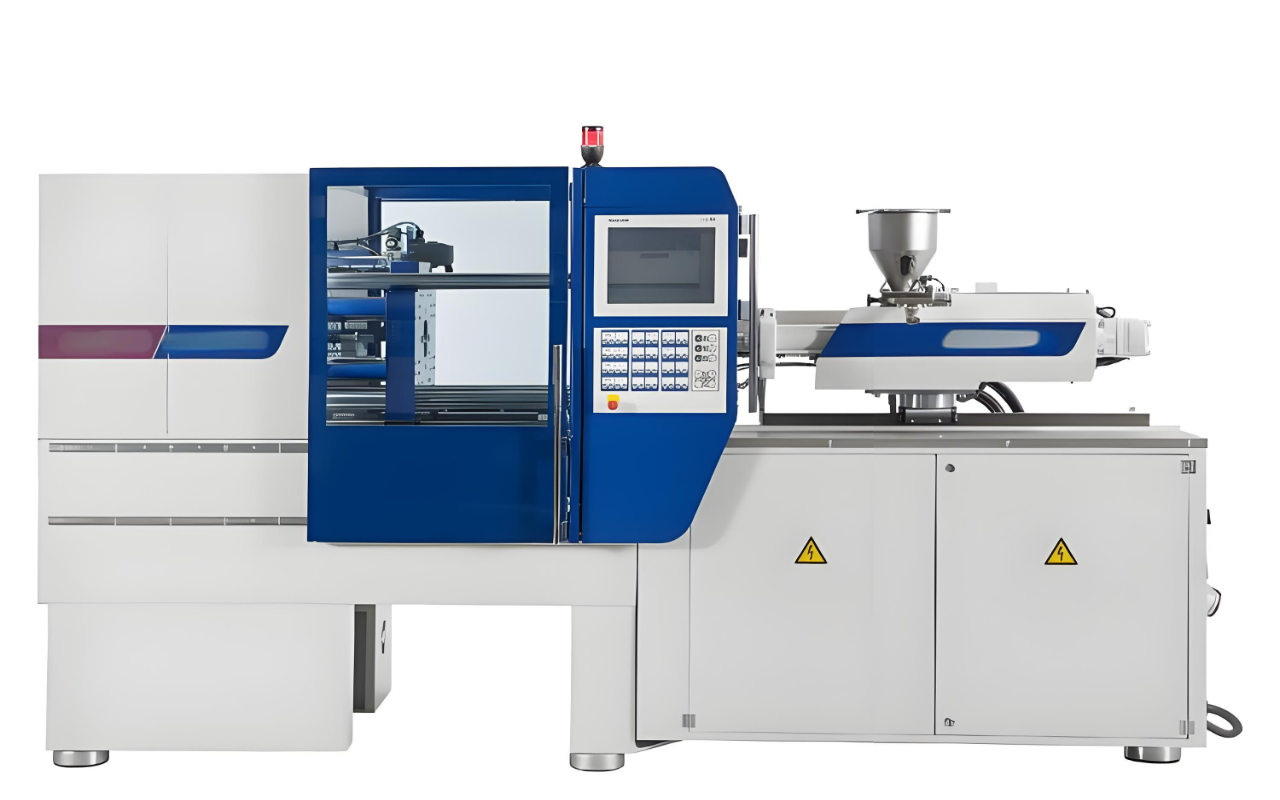
Hydraulic Injection Molding Machine: High Clamping Force and Stability for Industrial Plastic Parts
Definition and Core Principles
A hydraulic injection molding machine uses a hydraulic system to drive clamping, injection, and ejection processes. It generates power through high-pressure oil pumps and is ideal for mass-producing large, complex plastic parts. Its key strengths lie in high clamping force (up to thousands of tons) and material versatility, making it a standard in automotive, appliance, and industrial manufacturing.
Types and Technical Features
- Standard Hydraulic Machines
- Utilize single or multi-cylinder hydraulic systems with clamping forces ranging from 50 to 6,000 tons.
- Compatible materials: ABS, PA, PC, and other engineering plastics.
- Two-Platen Hydraulic Machines
- Compact design with extended mold-opening strokes, suitable for deep-cavity products (e.g., trash bins, automotive interiors).
- Hydraulic Two-Color Machines
- Dual injection units for multi-material molding (e.g., toothbrush handles, tool grips).
Key Advantages
- High Clamping Force: Stable molding of large, thick-walled parts (e.g., car bumpers).
- Cost-Effective: Lower initial and maintenance costs compared to all-electric machines.
- Durability: Hydraulic systems excel in continuous production under harsh conditions.
Applications
- Automotive: Dashboards, door panels, engine covers.
- Appliances: Refrigerator liners, washing machine drums.
- Industrial Components: Shelving, logistics pallets.
Operation Workflow
- Mold Setup: Align mold parallelism and preheat to target temperature.
- Parameter Configuration: Adjust injection pressure (800–2,500 bar) and holding time.
- Production Cycle: Hydraulic pumps drive injection and clamping; parts eject after cooling.
- Quality Control: Regular sampling for dimensional and surface defects.
Maintenance and Innovations
- Hydraulic Oil Care: Replace oil regularly and filter contaminants.
- Energy-Saving Upgrades: Install frequency converters to reduce idle power consumption.
- Smart Integration: Pressure sensors for real-time clamping feedback.