
What is a Bench Drilling Machine and Why is it Fundamental for Precise Work?
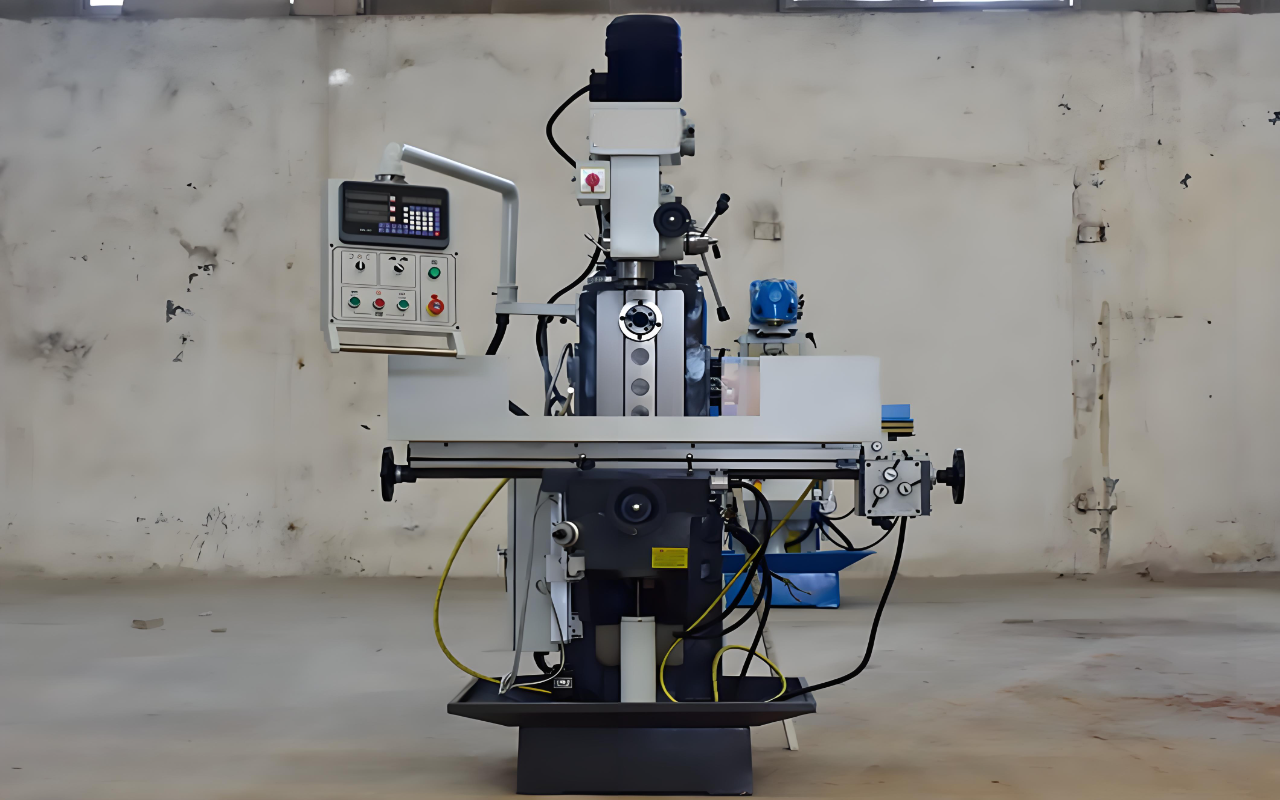
A Bench Drilling Machine, often simply called a bench drill, is a small to medium-sized drilling machine that is bolted or clamped onto a workbench or a dedicated stand. Unlike handheld drills, it is a fixed machine, which is its biggest advantage. This fixed position provides incredible stability and precision, allowing the user to drill accurate, perpendicular (90-degree) holes in materials like wood, plastic, and metal. It is one of the most common and fundamental machines found in workshops, schools, manufacturing units, and even hobbyist garages. Its design is simple: a base, a column, an adjustable table, a motor, and a drilling head with a chuck to hold the drill bits.
The category of bench drills is usually defined by their size, which is determined by the distance from the center of the chuck to the column, multiplied by two. This gives the “swing,” or the maximum diameter of a circle you can drill into. Common sizes include 8-inch, 10-inch, and 12-inch models. They can also be categorized by their drive mechanism (belt-driven for variable speed or direct-driven) and by their level of sophistication, ranging from basic manual feed models to those with laser guides for improved accuracy. The city of Rajkot in India, for instance, is a major manufacturing hub for such industrial machinery, producing robust and reliable bench drilling machines for various markets.
The primary function of a bench drilling machine is to create clean, accurate, and consistent holes. Its fixed nature eliminates the human error of wobbly hands. The adjustable table lets you set the height and can often be tilted for angled drilling. It is the perfect tool for tasks that require repetition and precision, such as creating holes for dowels in woodworking, drilling pilot holes for screws, or making holes for wiring in electrical components. Because the workpiece is held stationary on the table (often with a clamp) and the drill bit is moved downward with a lever, the operator has excellent control over the drilling process, making it much safer for drilling small parts than a powerful handheld drill. In summary, the bench drill is the unsung hero of the workshop, providing the precision that handheld tools cannot.