
Understanding CNC Milling Machines: How They Work and Their Many Uses
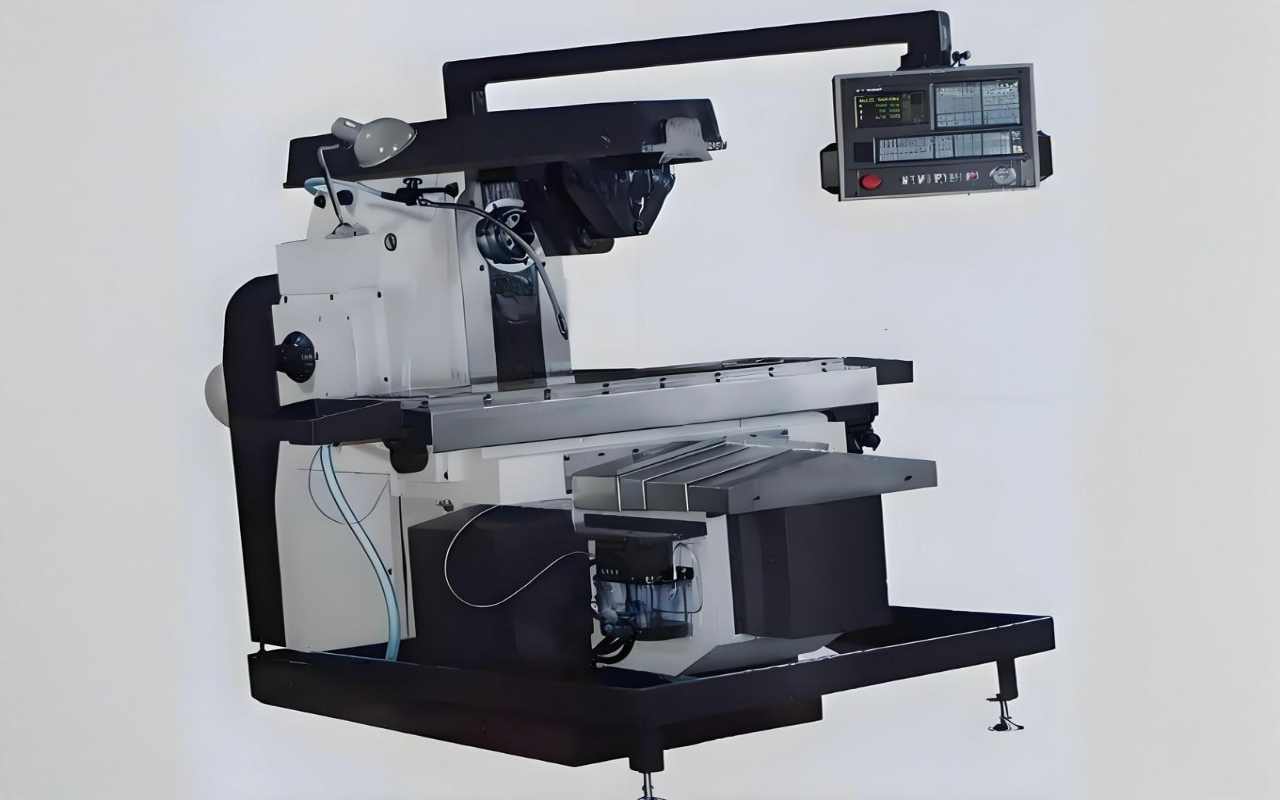
A CNC Milling Machine is a very important tool used in modern factories. CNC stands for “Computer Numerical Control.” This means a computer controls the machine to cut and shape materials very precisely. Think of it like a very powerful and super-accurate robotic sculptor that can work with metal, plastic, wood, and other hard materials. It follows instructions from a digital design file to create exact parts, from simple shapes to very complex designs.
Before CNC, milling machines were operated by hand by skilled workers. CNC technology changed everything. Now, an operator just sets up the machine and loads the computer program. The machine then does the work automatically, often without needing constant attention. This makes production faster, safer, and much more consistent. The heart of the system is the computer, which tells the machine how to move the cutting tool on different axes (directions like side-to-side, front-to-back, and up-and-down).
There are many types of CNC Milling Machines, often categorized by how they move. The most common categories are 3-axis, 4-axis, and 5-axis machines. A 3-axis machine moves the cutting tool or the material along three linear directions: X, Y, and Z. It is very common and good for most standard parts. A 4-axis machine adds the ability to rotate the material (called the A-axis), which is useful for machining around a cylinder. A 5-axis machine can move the tool or the material in five different directions at once. This allows it to create extremely complex shapes, like those used in aerospace or medical implants, without needing to reposition the material manually.
The uses of CNC Milling Machines are everywhere. They are fundamental to manufacturing. You can find parts made by them in cars, airplanes, smartphones, computers, and medical devices. They are used to make engine blocks, surgical tools, molds for plastic products, custom metal parts, and even intricate artwork. Their ability to produce highly accurate and repeatable parts makes them indispensable in any industry where precision is critical. Essentially, if a product has custom metal or plastic parts, a CNC Milling Machine was probably involved in its creation.
In summary, the CNC Milling Machine is a pillar of modern industry. Its power, precision, and flexibility allow designers and engineers to turn digital ideas into physical reality. By automating the machining process, it enables the mass production of complex components that power our technology and daily lives.