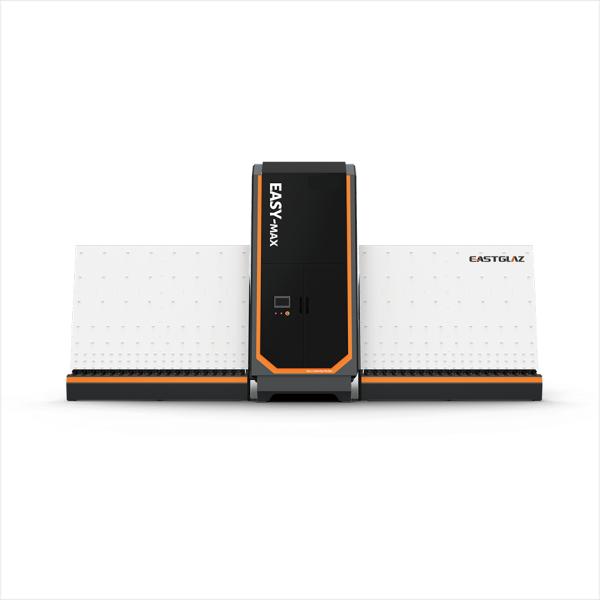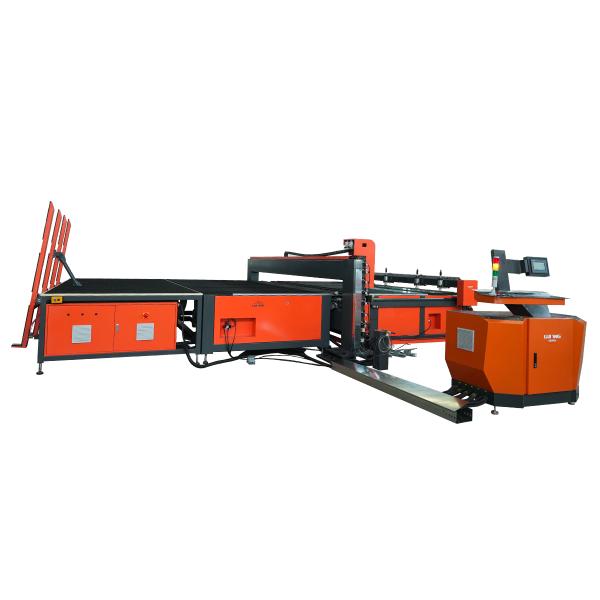
Low-E Glass Processing: Common Problems and How to Choose the Right Machines
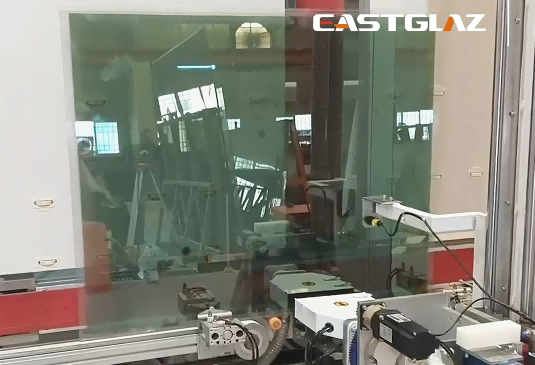
Low-E glass processing plays a vital role in modern insulating glass manufacturing, especially for energy-efficient architectural projects.
However, due to the coated surface characteristics of Low-E glass, improper processing can easily lead to quality issues and high rejection rates.
This article outlines the most common Low-E glass processing problems and explains how to select the right machines to achieve stable and reliable production.
1. Coating Damage During Processing
Problem
Low-E glass coatings are sensitive. Improper handling or inaccurate edge processing can easily damage the coating layer, reducing thermal performance and product value.
Solution
To minimize coating damage, manufacturers should use a dedicated low-e edge deletion machine with:
-
Precise positioning control
-
Stable grinding pressure
-
Adjustable deletion width
Modern edge deletion machines ensure clean and consistent coating removal, creating a reliable bonding area for sealing without affecting the visible glass surface.
2. Inconsistent Edge Deletion Width
Problem
Uneven or unstable edge deletion width can result in poor sealing performance, leading to gas leakage and reduced IGU lifespan.
Solution
An automatic Low-E edge deletion machine with servo control and digital parameter setting allows operators to:
-
Accurately set deletion width
-
Maintain consistent results on different glass sizes
-
Improve sealing uniformity
Stable edge deletion is a key foundation for high-quality insulating glass manufacturing.
3. Low Efficiency and High Labor Dependence
Problem
Manual or semi-manual Low-E processing relies heavily on operator skill, causing low efficiency and inconsistent quality—especially in mass production.
Solution
Integrating automated Low-E processing equipment into the production line helps:
-
Increase throughput
-
Reduce labor dependency
-
Improve overall production stability
Automatic edge deletion systems are particularly suitable for factories aiming to scale up output while maintaining consistent quality.
4. Glass Size Variation and Positioning Errors
Problem
Low-E glass panels often vary in size. Inaccurate positioning can cause misaligned edge deletion, leading to rework or scrap.
Solution
Machines with automatic glass size detection and intelligent positioning systems can adapt to different dimensions quickly, reducing setup time and minimizing human error.
5. Poor Integration with IGU Production Line
Problem
Standalone machines that cannot integrate smoothly with the IGU line may create bottlenecks and disrupt workflow.
Solution
When selecting Low-E processing equipment, manufacturers should consider:
-
Compatibility with washing machines, spacer assembly, and sealing machines
-
Smooth glass transfer and synchronization
-
Future automation upgrade capability
Well-integrated equipment improves overall production efficiency and ensures consistent product quality.
How to Choose the Right Machines for Low-E Glass Processing
When selecting equipment for Low-E glass processing, focus on:
-
Precision and stability rather than only speed
-
Automation level based on your production scale
-
Equipment compatibility with your existing IGU line
-
Supplier technical support and service capability
Choosing the right machines is essential for achieving stable, long-term performance in insulating glass manufacturing.
Conclusion
Efficient and reliable Low-E glass processing depends on understanding common production problems and selecting suitable equipment solutions.
With proper edge deletion and automation, manufacturers can significantly improve IGU quality, reduce defects, and enhance competitiveness in the energy-saving glass market.
Looking to improve your Low-E glass processing performance or upgrade your insulating glass manufacturing line?
Contact EASTGLAZ for professional equipment recommendations and customized solutions based on your production requirements.