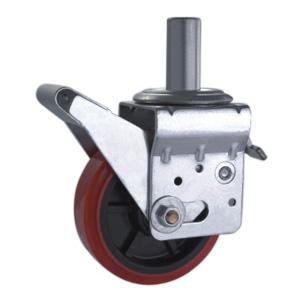
How to select wheelchair wheels
When selecting wheelchair wheels, there are a few important factors to consider. First, decide on the wheel type - solid or pneumatic. Solid wheels are low maintenance and puncture-proof, while pneumatic wheels offer a smoother ride but require regular maintenance. Next, consider the wheel size. Larger wheels provide better traction, while smaller wheels offer improved maneuverability. The wheel material is also important. Plastic wheels are lightweight but may wear out quickly, steel wheels are durable but heavy, and aluminum wheels offer a balance between weight and strength. Consider the tread pattern as well - smooth for indoor use and lugged for outdoor use. Lastly, think about any additional features needed, such as quick-release axles, anti-tip devices, or wheel locks. Consider the user's lifestyle, mobility needs, and seek professional advice if necessary. By carefully considering these factors, you can choose wheelchair wheels that provide optimal mobility and comfort.
Selecting the right wheelchair wheels is crucial for ensuring optimal mobility and comfort for wheelchair users. There are several factors to consider when choosing wheelchair wheels, including wheel type, size, material, tread pattern, and additional features. In this article, we will explore these factors in detail to help you make an informed decision.
Wheel Type:
Solid Wheels: Solid wheels are made from a single piece of rubber or plastic and provide durability and low maintenance. They are puncture-proof but can provide a harsher ride due to their rigid construction.
Pneumatic Wheels: Pneumatic wheels are filled with air, similar to bicycle tires. They offer a smoother and more comfortable ride, absorbing shocks and bumps. However, they require regular maintenance to check air pressure and may be prone to punctures.
Wheel Size:
The size of the wheelchair wheels affects maneuverability and stability. Standard wheelchair wheels typically range from 22 to 24 inches in diameter. Larger wheels can provide better traction, while smaller wheels offer improved agility.
Rear wheels are generally larger for improved propulsion and stability, while front wheels are smaller for maneuverability.
Wheel Material:
Plastic Wheels: Lightweight, affordable, and low maintenance. However, they may not be as durable as other materials and may wear out more quickly.
Steel Wheels: Strong and durable, but heavier than other options. Steel wheels are commonly used in institutional or heavy-duty wheelchairs.
Aluminum Wheels: Lightweight, durable, and corrosion-resistant. Aluminum wheels provide a good balance between weight and strength.
Tread Pattern:
Smooth Tread: Smooth-tread wheels are ideal for indoor use as they provide minimal rolling resistance. They are easier to clean and maneuver on smooth surfaces.
Lugged Tread: Lugged or knobby-tread wheels offer improved traction and grip, making them suitable for outdoor use on uneven terrain or rough surfaces. However, they may cause more resistance when moving on smooth floors.
Additional Features:
Quick-release Axles: These allow for easy removal and installation of wheels, making transportation and storage more convenient.
Anti-Tip Devices: Anti-tip devices provide added stability and prevent the wheelchair from tipping backward in certain situations, enhancing safety.
Wheel Locks: Wheel locks, or brakes, are essential for securing the wheelchair in place. There are various types available, including push-to-lock or pull-to-lock mechanisms.
User Needs and Preferences:

Consider the user's lifestyle, mobility requirements, and personal preferences. If the user is more active and frequently travels outdoors, pneumatic wheels with a lugged tread pattern may be suitable. For primarily indoor use, solid wheels or smooth-treaded wheels may be preferred for easier maneuverability.
Seek Professional Advice:
Consult with a healthcare professional or wheelchair specialist who can provide personalized recommendations based on the user's specific needs and physical condition. They can help determine the appropriate wheel type, size, and features for optimal comfort and mobility.
In conclusion, selecting the right wheelchair wheels involves considering factors such as wheel type, size, material, tread pattern, additional features, user needs, and professional advice. Each individual's requirements may vary, so it's important to take into account personal preferences, lifestyle, and mobility needs. By carefully considering these factors and seeking professional guidance, you can choose wheelchair wheels that enhance mobility, comfort, and overall quality of life for wheelchair users.


Related Products
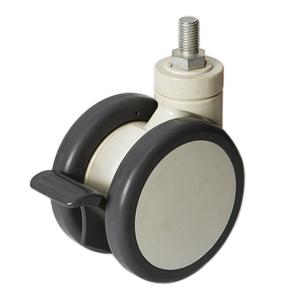
Dual wheels medical trolley casters
ZTWTB-3''/4''/5''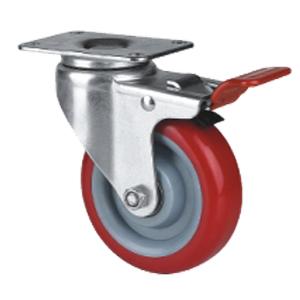
Swivel With Brake Caster Wheel
M54SPB-3''/3.5''/4''/5''
Soft rubber casters wheels
M29GP-2''/3''