
Choosing the Right Formula is Key to Cleanliness and Fabric Care

3 min read
Nowadays, laundry detergent pods have seen a steady rise in market share thanks to their advantages such as convenience and easy dissolution. The market is flooded with a wide variety of laundry detergent pods in supermarkets and online platforms, with diverse promotional slogans and incomprehensible ingredient lists, leading to many misconceptions among consumers: for example, equating "complex formulas" and "rich foam" with "good effectiveness," and blindly pursuing "natural ingredients." In fact, the core of a laundry detergent pod's effectiveness lies in the scientific combination of its formula, not the number of ingredients or the "natural" label. This article will break down the core formula, clarify effective ingredients from gimmicks, and provide a scientific selection guide.
Market Status: Demands and Misguidance Behind Diverse Formulas
With the upgrading of consumer demands, laundry detergent pods have evolved from a single cleaning function to diverse needs such as fabric care and bacteria/mite removal, driving the diversification of formulas. Currently, the domestic market share has exceeded 30%, and products labeled with "bacteria/mite removal" and "fabric care" account for over 60% of sales. However, the diversity of formulas has also amplified information asymmetry, with some brands misleading consumers by piling up gimmick ingredients in their ingredient lists. To judge whether a product is effective, the key is to check if its core functional ingredients are precise and if the ratio is scientific.
Core Analysis: List of Effective Formula Ingredients
Laundry detergent pods are mainly composed of surfactants, builders, functional additives, etc. The effective ingredients among the first three determine the fabric care and bacteria/mite removal effects, as detailed below:
I. Effective Ingredients for Fabric-Friendly Care
The core is to clean without damaging fibers, focusing on surfactants and mild builders:
- Mild surfactants: Such as non-ionic surfactants (e.g., fatty alcohol polyoxyethylene ether) and amphoteric surfactants (e.g., cocamidopropyl betaine). They have moderate cleaning power, no corrosion to various fabrics, reduce fiber damage, and are suitable for delicate fabrics. Avoid cheap products that only use anionic surfactants (e.g., sodium dodecylbenzene sulfonate), which easily cause fabric aging and fading.
- Enzyme compounding: Protease, lipase, cellulase, etc., can target stains and reduce fabric pilling. High-quality products will use scientific compounding with high enzyme activity.
- Mild builders: Sodium citrate, zeolite, etc., can enhance cleaning power, soften water, and avoid scale residue; be wary of harmful builders such as sodium tripolyphosphate.
II. Effective Ingredients for Bacteria and Mite Removal
The key is to check for clear effective ingredients with qualified content and avoid vague gimmicks:
- Quaternary ammonium salts: Benzalkonium chloride, benzalkonium bromide, etc. They are mild with a broad bactericidal spectrum, no damage to fabrics, and suitable for baby clothes and intimate wear. High-quality products will indicate the content (0.1%-0.5%) and bactericidal rate test reports.
- Chlorhexidine: Highly effective in killing bacteria with long-lasting effects, suitable for high-intensity bactericidal scenarios. High-quality products will control the ratio to avoid fading.
- Plant extracts: Sufficient content is required to be effective. Most products have insufficient content and are only gimmicks. When choosing, check the content and test reports.
- Avoid vague concepts such as "bactericidal factors"; these are mostly ordinary cleaning ingredients with no real bactericidal effect.
Correct Selection: 4 Core Steps
- Clarify needs: Choose mild fabric care products (non-ionic surfactants + enzyme compounds) for delicate fabrics; choose quaternary ammonium salt bactericidal products (free of fluorescent agents, phosphorus, and pigments) for baby clothes/intimate wear; choose high-efficiency stain removal products for large items such as coats and curtains, and add bactericidal ingredients as needed. Do not blindly pursue all-in-one functions.
- Check the ingredient list: For fabric care, look for mild surfactants and enzymes; for bactericidal products, look for clear ingredients such as quaternary ammonium salts and chlorhexidine with indicated content; avoid vague labels and harmful ingredients.
- Pay attention to certifications: Bactericidal products must comply with the national standard GB 14930.2-2012 (National Food Safety Standard for Detergents) and provide bactericidal rate test reports; for fabric care products, prioritize those with third-party certifications.
- Match specifications: Choose the corresponding specification according to the amount of laundry to avoid residue or insufficient effectiveness; choose products without fluorescent agents and with color protection formulas for dark-colored clothes.


laundry pod OEM manufacturer, laundry pods factory, Private Label Laundry Pods, Fragrance Laundry Detergent, Laundry pods wholesale, laundry capsule OEM factory, wholesale laundry pods, Laundry Pods OEM, laundry pod supplier OEM, Laundry Pods supplie
Related Products

Milk Strawberry Flavor Toothpast
Sweet Smile, Bright Style!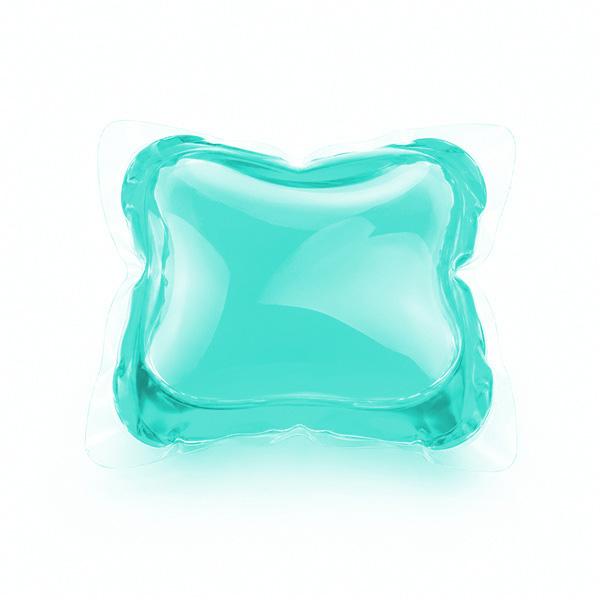


Send A Message
*If you are interested in our products and want to know more details,please leave a message here,we will reply you as soon as we can.
