
What is a Purlin Machine? The Equipment That Shapes Metal for Strong Building Frames
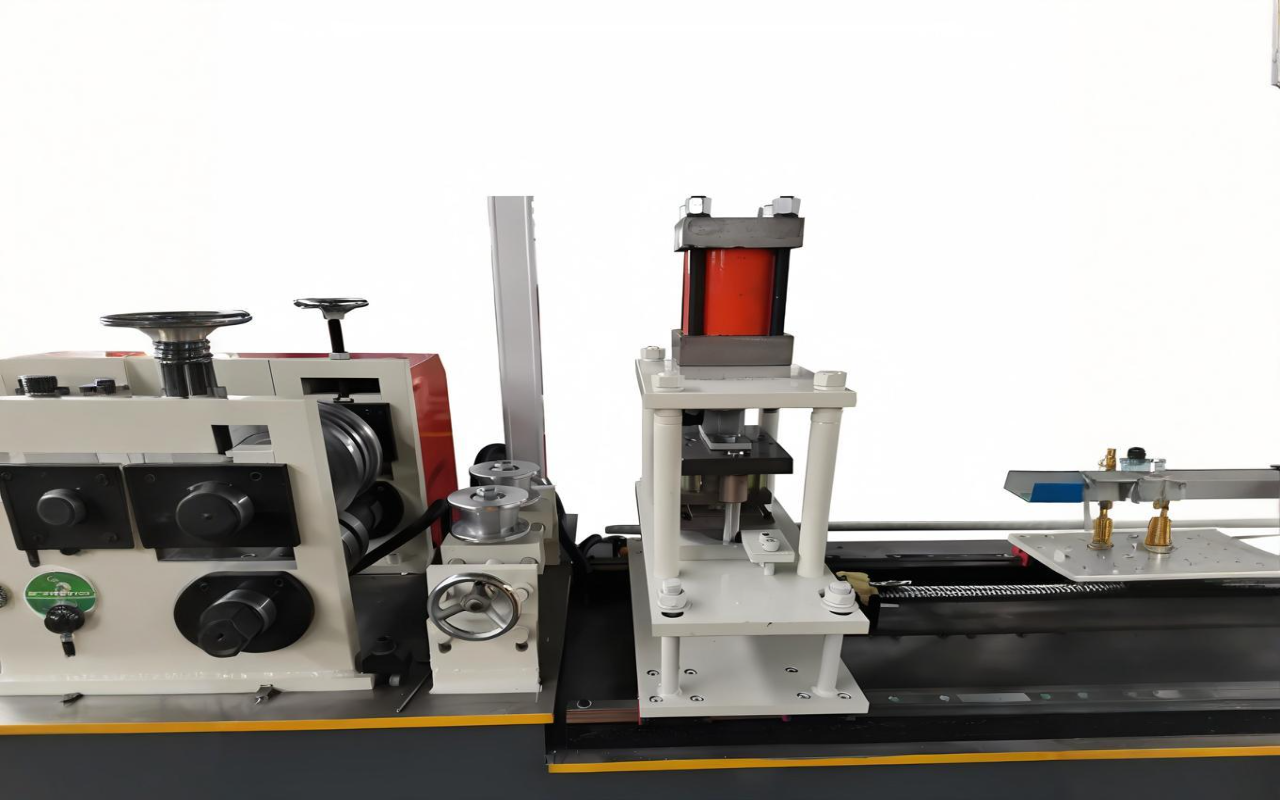
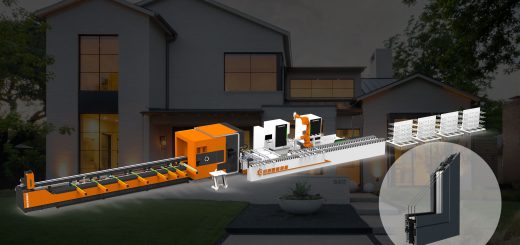
A Purlin Machine is a special kind of factory equipment used to make metal purlins. Purlins are horizontal bars or beams that are essential parts of a building’s structure. They are mostly used to support the roof and walls. They sit on the main rafters and provide a base to attach the roof sheets. The purlin machine takes a flat coil of sheet metal and shapes it into a long, continuous purlin with a specific cross-section profile. This process is fast, efficient, and creates very strong and consistent products.
These machines are mainly categorized by the type of purlin they produce. The most common types are C-Purlin Machines and Z-Purlin Machines. The names come from the final shape of the metal beam, which looks like the letters “C” and “Z”. C-purlins are widely used for general support. Z-purlins are often used where sections need to overlap, especially on sloping roofs, because they offer better strength and connection possibilities. Machines can also be classified by their level of automation, from semi-automatic to fully automatic computer-controlled systems.
The main job of a purlin machine is to mass-produce these critical structural components. Its importance in construction is huge. By using a machine, manufacturers can make purlins that are perfectly straight, exactly the same size, and very strong. This consistency makes building construction much faster and safer. Workers can trust that every purlin will fit perfectly. These machines are vital for building everything from large factories, warehouses, and aircraft hangars to smaller commercial buildings and agricultural sheds. Without purlin machines, constructing large, open-space buildings quickly and cost-effectively would be very difficult.
In summary, the purlin machine is a key piece of equipment in modern metal building construction. It takes raw sheet metal and transforms it into the strong, reliable skeleton that holds up roofs and walls, demonstrating how automation improves the building industry.