
Understanding the Power and Application of Heavy Duty Drilling Machines
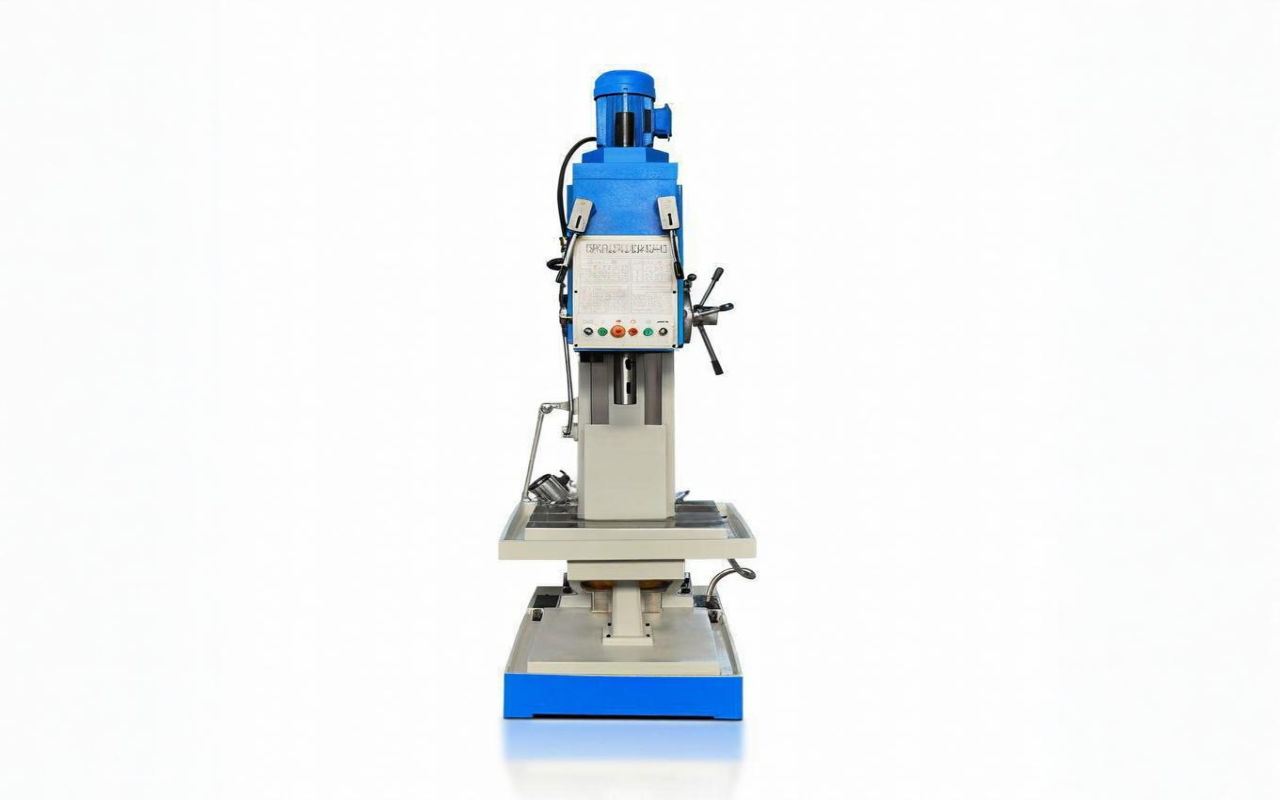
A Heavy Duty Drilling Machine is exactly what its name suggests: a powerful, robust, and large-capacity machine designed for industrial applications. It is built to handle drilling tasks that are far beyond the capability of standard bench drills or handheld units. These machines are engineered to drill large-diameter holes into tough materials like thick steel, iron castings, and other solid metals without straining or losing accuracy. They are characterized by their heavy construction, powerful motors, and ability to maintain precision under significant load. You will typically find these machines in large fabrication shops, automotive manufacturing plants, shipyards, and heavy equipment repair facilities.
These machines fall into several categories based on their structure. The most common type is the Pillar Drill or Pillar Drilling Machine, which is like a massive, heavy-duty version of a bench drill. It features a large, solid pillar (column) that provides immense stability for drilling large holes. Another very important category is the Radial Drilling Machine. Its key feature is a radial arm that can be swung in a circle around the machine’s column and raised or lowered. The drilling head moves along this arm. This design allows the operator to move the drill head to the workpiece, which is extremely useful for drilling holes in very large, heavy objects that are difficult to move, like engine blocks or large steel frames.
The role of the heavy-duty drilling machine is critical in heavy industry. It is used for creating large holes for bolts, shafts, and piping in structural steel work. It is essential in the manufacturing and maintenance of machinery, locomotives, and large vehicles. The immense power and rigid construction prevent the drill bit from deflecting (bending) under pressure, which is crucial for achieving hole straightness and tolerances in demanding engineering projects. These machines often feature advanced cooling systems to manage heat from drilling metal and may have power feed mechanisms that automatically apply the correct pressure for drilling. Without these powerful workhorses, the construction of large-scale infrastructure and machinery would be immensely more difficult and time-consuming.