
Film Blowing Machines: Pioneering the Next Generation of Flexible Films
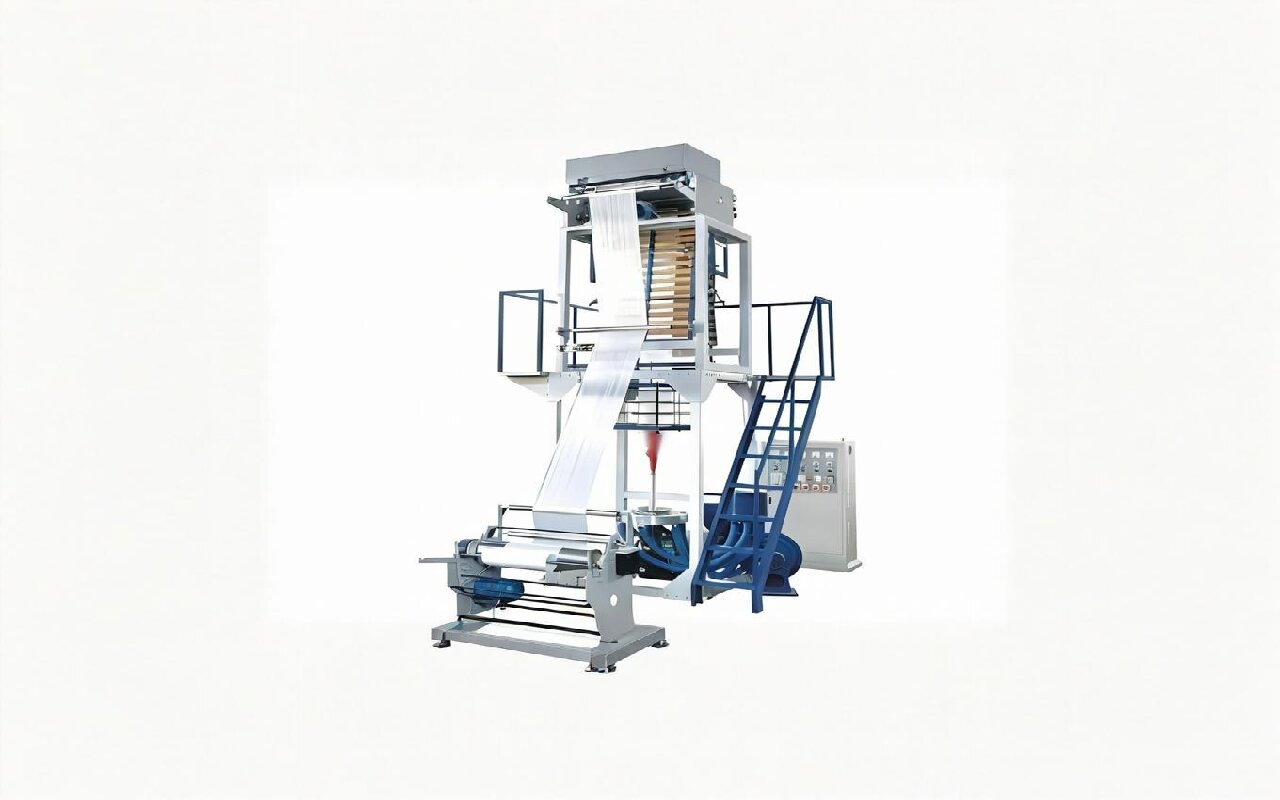
Film blowing machines are no longer confined to basic packaging. They now produce high-tech films for smart farming, medical barriers, and compostable wrappers. With sustainability mandates reshaping industries, these machines are evolving rapidly—here’s how.
Cutting-Edge Film Types and Production Methods
- High-Barrier Multi-Layer Films:
- Nano-Layer Coextrusion: Machines stack up to 11 ultra-thin layers (each <1 micron) to block oxygen, moisture, and odors. Used in vacuum-sealed coffee packaging.
- EVOH Integration: Ethylene vinyl alcohol layers reduce oxygen transmission by 99%, extending meat shelf life by 50%.
- Biodegradable and Compostable Films:
- PLA Film Production: Modified blown film lines process polylactic acid at controlled temperatures to prevent brittleness.
- Starch-Polymer Blends: Films decompose in 180 days, ideal for single-use agricultural mulch.
- Smart and Active Films:
- Antimicrobial Coatings: Films infused with zinc oxide nanoparticles inhibit bacterial growth in food packaging.
- Moisture-Sensing Labels: Printed sensors change color when films are exposed to humidity, ensuring vaccine integrity.
Market Trends Reshaping Demand
- E-Commerce Boom:
- Stretch film production has grown 18% annually, driven by demand for pallet wrapping. New machines produce pre-stretched films with 250% elongation.
- Agricultural Innovations:
- UV-Selective Films: Block specific light wavelengths to accelerate crop growth. Chile’s grape farms reported 20% higher yields using these films.
- Biodegradable Mulch: Eliminates plastic pollution; decomposes post-harvest.
Energy and Cost Efficiency Upgrades
- Heat Recovery Systems:
- 60% of waste heat from extruders is reused to preheat resins, slashing energy costs.
- Auto-Gauge Control:
- Ultrasonic sensors adjust film thickness in real-time, reducing material use by 10–15%.
Regulatory Impact
- EU Single-Use Plastics Directive:
- Forced manufacturers to adopt biodegradable films, accelerating R&D in PLA and PHA blends.
- FDA Compliance:
- Medical-grade films require ISO Class 7 cleanroom-compatible machines.
Did You Know? The global agricultural film market will hit $15 billion by 2028, driven by smart films.