
Biomass Dryers: Essential Equipment for Sustainable Energy and Waste Management
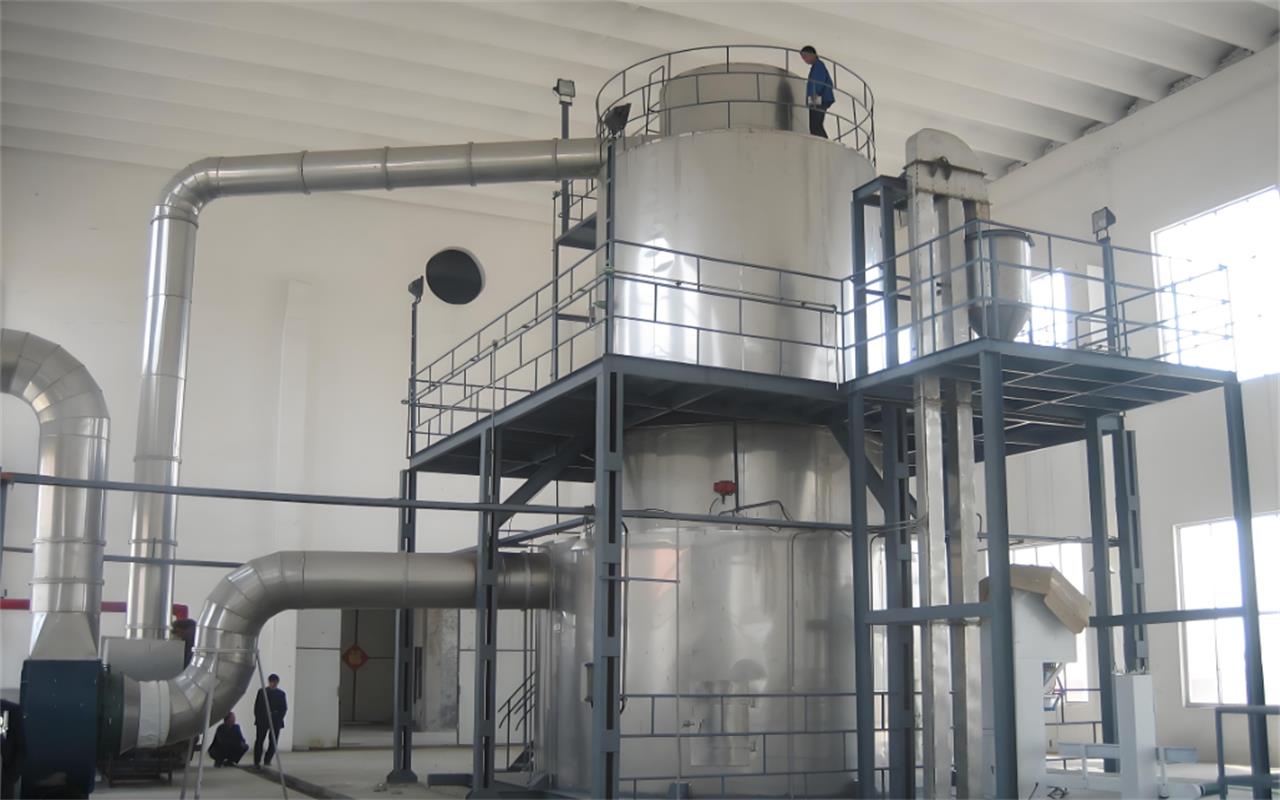
Biomass dryers are machines designed to reduce moisture content in organic materials like wood chips, agricultural residues, or animal waste, making them suitable for energy production, composting, or industrial use. By removing excess water, these dryers enhance the efficiency and usability of biomass. This article explains what biomass dryers are, their types, functions, advantages, and related applications.
What is a Biomass Dryer?
A biomass dryer is a device that uses heat, airflow, or mechanical methods to lower the moisture level in organic materials. This process improves the material’s combustion efficiency, storage stability, and suitability for conversion into biofuels or other products.
Types of Biomass Dryers
- Rotary Drum Dryers:
- Rotating cylinders that tumble biomass while hot air flows through, ideal for large-scale operations like wood pellet production.
- Belt Dryers:
- Conveyor belts transport biomass through heated chambers, suitable for uniform drying of agricultural waste.
- Fluidized Bed Dryers:
- Use hot air to suspend and dry biomass particles, effective for fine or granular materials like sawdust.
- Solar Dryers:
- Utilize sunlight and natural ventilation, a low-cost option for small farms or regions with abundant sunshine.
- Flash Dryers:
- High-speed hot air rapidly dries biomass, often used for moisture-sensitive materials.
Functions and Benefits
- Moisture Removal:
- Reduce moisture from 30–60% to 10–15%, optimizing biomass for burning or processing.
- Energy Efficiency:
- Dry biomass burns more efficiently, increasing heat output in power plants or heating systems.
- Waste Reduction:
- Convert agricultural or forestry waste (e.g., straw, bark) into valuable fuel or feedstock.
- Cost Savings:
- Lower transportation costs by reducing material weight and volume.
- Environmental Sustainability:
- Support renewable energy production and reduce reliance on fossil fuels.
Applications
- Bioenergy Plants:
- Prepare biomass for combustion, gasification, or pelletization.
- Agriculture:
- Dry crop residues (e.g., rice husks, corn stalks) for animal feed or biofuel.
- Waste Management:
- Process municipal or industrial organic waste into compost or energy sources.
- Forestry:
- Dry wood chips or sawdust for particleboard or paper production.
Key Considerations for Operation
- Material Type:
- Adjust drying temperature and time based on biomass properties (e.g., size, initial moisture).
- Energy Source:
- Choose dryers powered by renewable energy (solar, biomass) or fossil fuels, depending on cost and availability.
- Safety:
- Monitor temperature to prevent overheating and fire risks in dryers using combustion.
Comparison to Traditional Drying
Traditional sun-drying is weather-dependent and time-consuming, whereas biomass dryers offer faster, controlled, and consistent results. Modern dryers also minimize contamination risks and work in all climates.
Conclusion
Biomass dryers are vital for converting organic waste into renewable energy and sustainable products. By improving material efficiency and reducing environmental impact, they play a key role in circular economies. Investing in the right dryer type can enhance profitability for industries while supporting global green energy goals.